
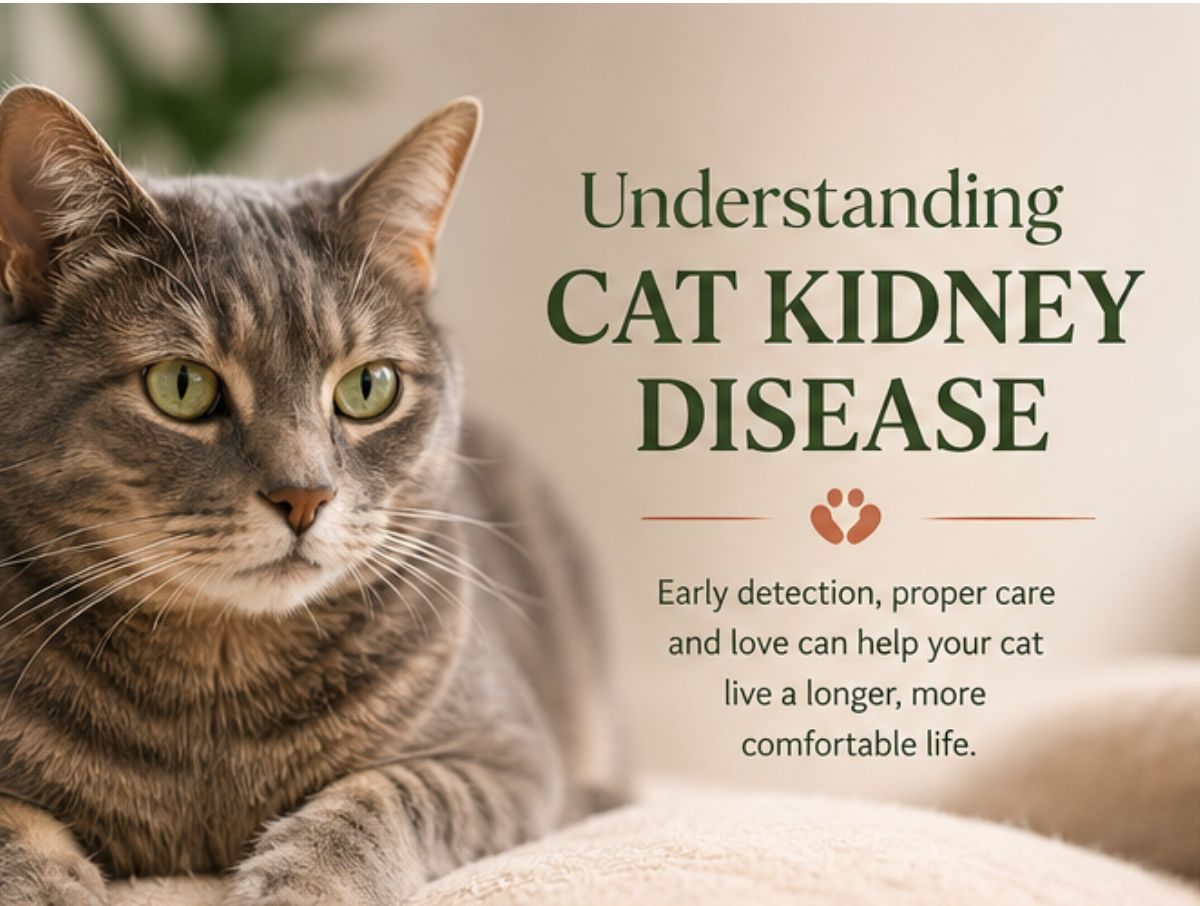
Feline kidney disease is one of the most important health problems affecting older cats. Chronic kidney disease, usually abbreviated CKD, develops when the kidneys gradually lose their ability to perform essential jobs such as filtering waste from the blood, conserving water, balancing minerals, helping regulate blood pressure, and supporting red blood cell production.
The difficult part is that kidney disease can be surprisingly quiet at first. A cat may look perfectly normal while kidney function is already declining. As the disease progresses, owners may notice increased thirst and urination, weight loss, reduced appetite, vomiting, nausea, poor coat quality, weakness, or changes in behavior.
Kidney disease is serious, but a diagnosis does not automatically mean that a cat is at the end of life. Many cats live comfortably for months or years with chronic kidney disease when it is identified, staged, monitored, and treated appropriately. The outlook depends on the individual cat, the stage of disease, other health problems, and how well complications can be controlled.
Important: This guide is educational and is not a substitute for veterinary care. A cat that is not eating, is repeatedly vomiting, is very weak, seems dehydrated, suddenly cannot see, is straining without producing urine, or is otherwise acutely ill should receive prompt veterinary attention.
On This Page
- Quick Answer: What Is Feline Kidney Disease?
- What Do a Cat’s Kidneys Do?
- Chronic Kidney Disease vs. Acute Kidney Injury
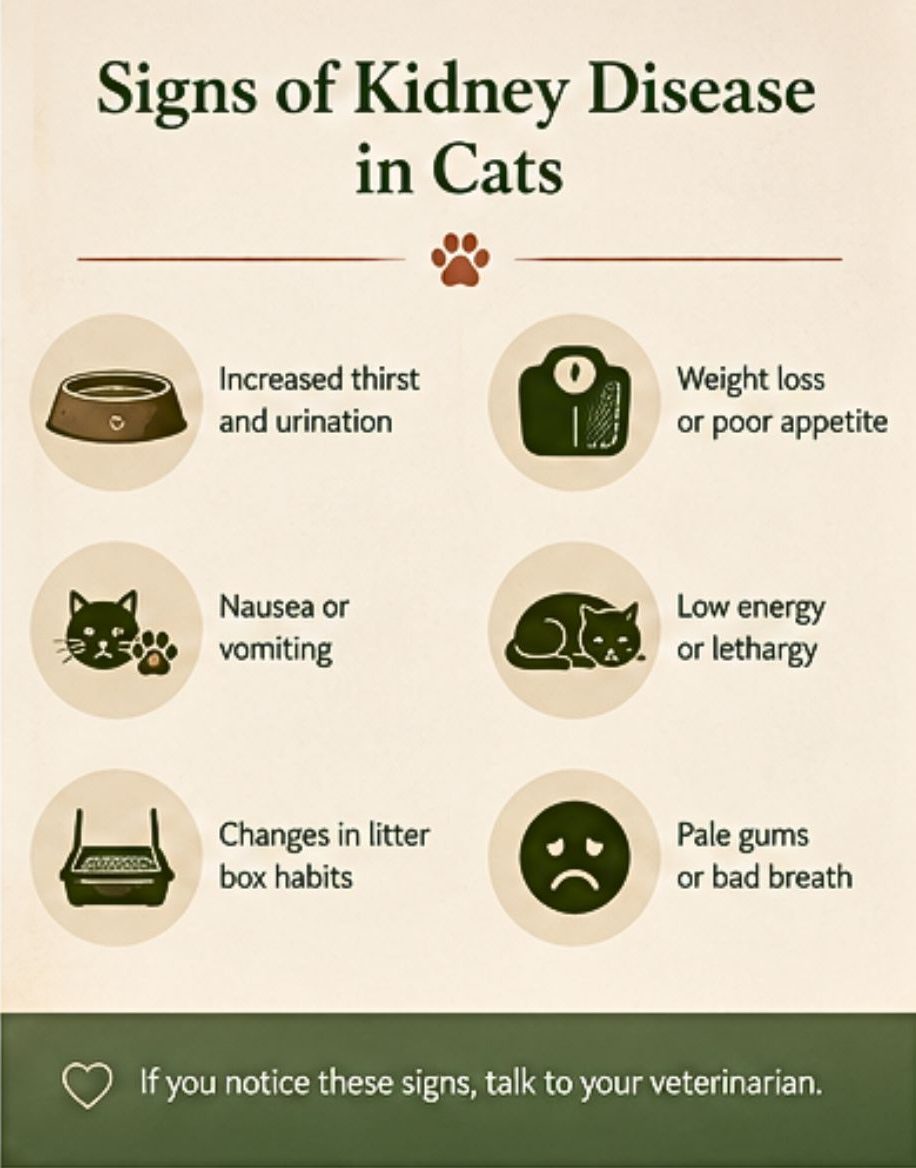
- Feline Kidney Disease Symptoms and Signs
- Early Signs of Kidney Disease in Cats
- What Causes Kidney Disease in Cats?
- How Feline Kidney Disease Is Diagnosed
- Cat Kidney Disease Stages: IRIS Stages 1-4
- Treatment for Feline Kidney Disease
- Kidney Diets and Nutrition
- Hydration and Fluid Support
- Medications and Management of Complications
- How Long Can a Cat Live With Kidney Disease?
- Can Feline Kidney Disease Be Reversed?
- Is Kidney Disease Painful for Cats?
- Caring for a Cat With Kidney Disease at Home
- Kidney Disease and Senior Cats
- When Kidney Disease Becomes an Emergency
- Frequently Asked Questions
- Related Cats Central Guides
- Sources and Further Reading
Quick Answer: What Is Feline Kidney Disease?
Feline kidney disease is a broad term for disorders that damage the kidneys or reduce their ability to function normally. The most common form in older cats is chronic kidney disease (CKD), a persistent loss of kidney function that develops over time.
According to the Cornell Feline Health Center, CKD is especially common in senior cats. Early disease may cause no obvious symptoms. As kidney function declines, cats often lose the ability to concentrate urine, so they urinate more and drink more water. Later, waste products and metabolic abnormalities can contribute to poor appetite, weight loss, nausea, vomiting, lethargy, dehydration, high blood pressure, anemia, and other complications.
There is currently no definitive cure for chronic kidney disease, but treatment can often slow progression, correct complications, and help a cat maintain a good quality of life.
What Do a Cat’s Kidneys Do?
The kidneys are much more than simple filters. Healthy kidneys help a cat’s body stay in balance by performing several vital functions.
- Filtering waste: The kidneys remove metabolic waste products from the bloodstream and excrete them in urine.
- Managing water balance: They conserve or excrete water depending on the body’s needs.
- Balancing minerals and electrolytes: Kidney function influences phosphorus, potassium, sodium, calcium, and acid-base balance.
- Helping regulate blood pressure: Kidney disease can contribute to systemic hypertension.
- Supporting red blood cell production: The kidneys produce signals involved in making red blood cells, which is why advanced CKD may contribute to anemia.
- Producing and regulating hormones: Kidney function is connected with several hormonal systems important to whole-body health.
Because the kidneys perform so many jobs, chronic kidney disease can affect far more than urination. A cat with CKD may experience digestive problems, weakness, changes in blood pressure, anemia, mineral imbalances, and loss of muscle and body condition.
Chronic Kidney Disease vs. Acute Kidney Injury
Not every kidney problem is chronic kidney disease.
Chronic Kidney Disease (CKD)
CKD describes kidney abnormalities that persist over time. It is often diagnosed in middle-aged and senior cats and usually progresses gradually. Once kidney tissue has been permanently lost, it generally cannot regenerate enough to restore normal kidney function.
Acute Kidney Injury (AKI)
Acute kidney injury develops suddenly. Causes can include toxins, severe dehydration or shock, infections, urinary obstruction, and other serious illnesses. Some cases of AKI may improve substantially if the cause is identified and treated quickly.
A cat may also have acute-on-chronic kidney disease, meaning a cat with existing CKD suddenly becomes much worse because of dehydration, infection, obstruction, medication exposure, or another acute problem.
This distinction matters because the treatment, prognosis, and staging approach differ. The International Renal Interest Society (IRIS) emphasizes that CKD staging applies to cats with stable chronic disease, not to a cat whose kidney values are changing rapidly because of acute illness.
Feline Kidney Disease Symptoms and Signs
The symptoms of cat kidney disease vary with the severity of kidney dysfunction and with complications affecting the individual cat.
Common Signs of Chronic Kidney Disease in Cats
- Drinking more water than usual
- Urinating larger amounts or more frequently
- Weight loss
- Loss of muscle mass
- Reduced appetite or becoming picky about food
- Nausea or lip licking
- Vomiting
- Lethargy or sleeping more
- Dehydration
- Dull, greasy, or unkempt coat
- Bad breath
- Constipation in some cats
- Weakness
- Pale gums if anemia develops
- Sudden vision problems if severe high blood pressure develops
These signs are not specific to kidney disease. Diabetes, hyperthyroidism, gastrointestinal disease, cancer, dental disease, liver problems, infections, and other conditions can produce overlapping symptoms. Testing is necessary to determine the cause.
Why Cats With Kidney Disease Drink and Urinate More
One of the kidney’s jobs is concentrating urine. As CKD progresses, the kidneys may become less effective at conserving water. The cat then produces a larger volume of dilute urine and drinks more in an attempt to replace the lost water.
This is why a senior cat that suddenly seems unusually thirsty deserves veterinary attention even if the cat otherwise looks well.
Early Signs of Kidney Disease in Cats
Early kidney disease can be frustratingly subtle. Cornell notes that cats in the early stages commonly show no obvious clinical signs because the body can compensate for declining kidney function.
Possible early clues include:
- A water bowl that needs refilling more often
- Larger urine clumps in the litter box
- Gradual weight or muscle loss
- A slight decline in appetite
- More sleeping or less enthusiasm for play
- Changes discovered on routine senior blood work or urinalysis before the owner notices symptoms
For that reason, routine wellness testing becomes increasingly valuable as cats age. Detecting CKD before a cat is visibly ill gives the veterinary team more opportunity to monitor trends, address complications, and recommend interventions intended to preserve remaining kidney function.
What Causes Kidney Disease in Cats?
In many older cats with chronic kidney disease, a single underlying cause is never identified. Kidney tissue can be damaged by many different processes, and by the time CKD is recognized, the original trigger may no longer be apparent.
Kidney disease may be associated with:
- Age-related kidney changes
- Congenital or inherited kidney disorders
- Polycystic kidney disease
- Kidney or urinary tract infections
- Kidney stones or ureteral obstruction
- Inflammatory or immune-mediated kidney disease
- High blood pressure
- Previous acute kidney injury
- Certain toxins or medications
- Structural abnormalities of the kidneys
- Cancer affecting the kidneys
Polycystic Kidney Disease
Polycystic kidney disease (PKD) is an inherited condition in which fluid-filled cysts develop in the kidneys. It has historically been associated particularly with Persian cats and related breeds. Responsible breeding programs can use genetic testing to reduce the risk of producing affected kittens.
Can Diet Cause Kidney Disease?
It is misleading to blame ordinary chronic kidney disease on one ingredient or one type of commercial cat food. Kidney disease is complex and often has no single identifiable cause.
Once CKD is diagnosed, however, diet becomes an important part of management. A therapeutic renal diet is formulated differently from regular adult cat food and should be selected with veterinary guidance.
How Feline Kidney Disease Is Diagnosed
There is no single test that tells a veterinarian everything about a cat’s kidney health. Diagnosis usually combines the cat’s history, physical examination, blood work, urinalysis, blood pressure measurement, and sometimes imaging.
Blood Tests
Common measurements include:
- Creatinine: A waste product used to estimate kidney filtration. It is affected by muscle mass and hydration.
- BUN (blood urea nitrogen): Another waste product influenced by kidney function but also by hydration, diet, and other factors.
- SDMA: A biomarker that can increase earlier than creatinine in some cats and is less influenced by muscle mass.
- Phosphorus: May rise as kidney disease progresses.
- Potassium and other electrolytes: Abnormalities can contribute to weakness and other symptoms.
- Red blood cell measurements: Used to identify anemia.
Urinalysis
Urine testing helps determine how well the kidneys are concentrating urine and whether blood, protein, infection, or other abnormalities are present.
A urine protein-to-creatinine ratio (UPC) may be used to evaluate persistent protein loss through the kidneys. IRIS uses proteinuria as one of the two major CKD substaging categories.
Blood Pressure
High blood pressure is common in cats with CKD and can damage the eyes, brain, heart, and kidneys. Blood pressure measurement is therefore an important part of evaluation and long-term monitoring.
Imaging
Radiographs or abdominal ultrasound may be recommended to evaluate kidney size and structure and to look for stones, cysts, tumors, or obstruction.
Why Repeat Testing Matters
IRIS recommends staging CKD in a hydrated, stable cat using kidney markers assessed on more than one occasion. A dehydrated cat may temporarily have increased kidney values, and a rapidly changing result may represent acute disease rather than stable CKD.
Trends are often more informative than one isolated laboratory number.
Cat Kidney Disease Stages: IRIS Stages 1-4
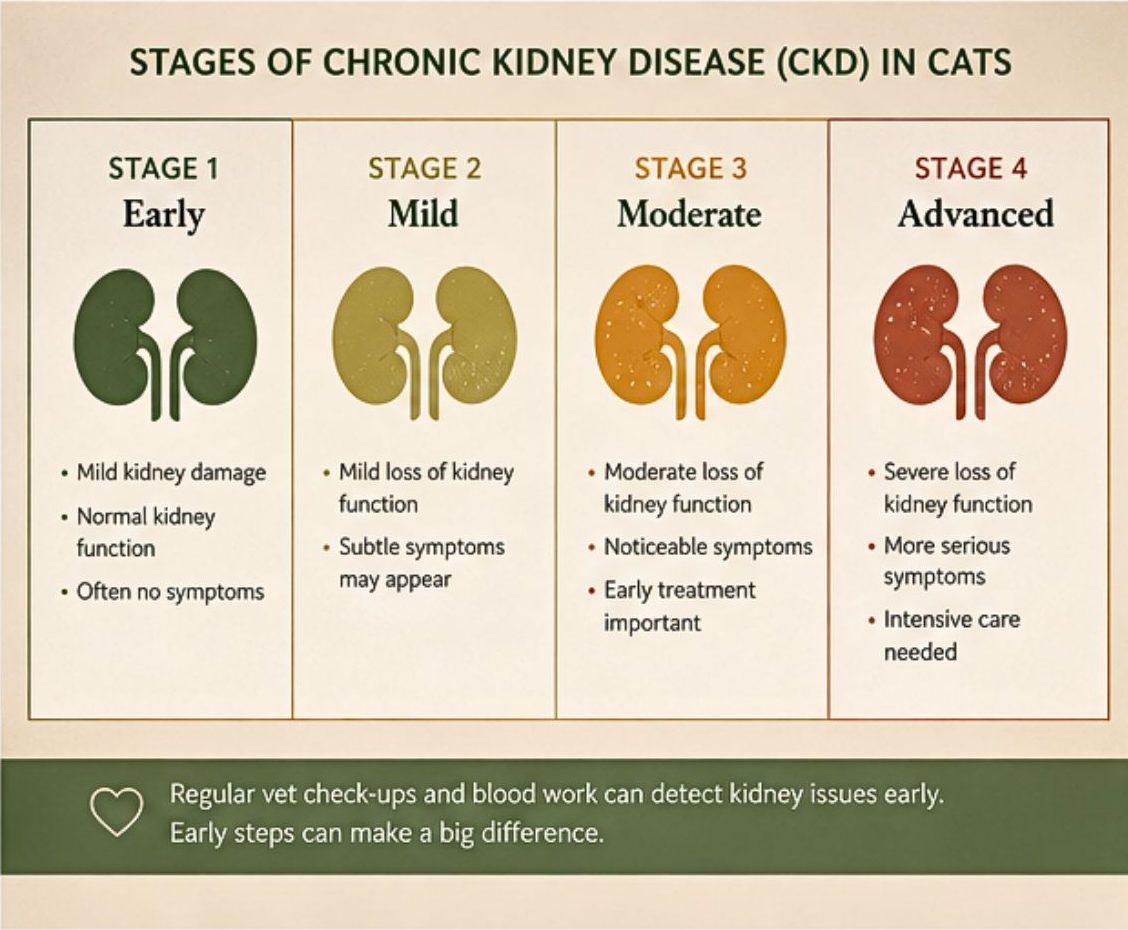
The International Renal Interest Society developed the most widely used staging system for chronic kidney disease in dogs and cats. The system is intended to be used after CKD has been diagnosed in a stable, adequately hydrated patient.
IRIS staging considers blood creatinine and SDMA, then further substages the cat according to urine protein loss and systolic blood pressure.
| IRIS Stage | Typical Description | 2026 Cat Creatinine Range | 2026 Cat SDMA Range |
|---|---|---|---|
| Stage 1 | Kidney abnormality present, but creatinine may still be within the normal range | <1.6 mg/dL | <18 µg/dL, with other evidence of CKD; persistent SDMA above normal can support earlier diagnosis |
| Stage 2 | Mild reduction in kidney function; signs are often mild or absent | 1.6-2.8 mg/dL | 18-25 µg/dL |
| Stage 3 | Moderate kidney dysfunction; systemic symptoms become more common | 2.9-5.0 mg/dL | 26-38 µg/dL |
| Stage 4 | Severe kidney dysfunction with increasing risk of uremic illness | >5.0 mg/dL | >38 µg/dL |
Important: These numbers should not be used to diagnose or stage a cat at home. Laboratory methods, hydration, muscle mass, concurrent illnesses, trends over time, and disagreement between creatinine and SDMA all affect interpretation. Your veterinarian may assign a higher stage when persistently elevated SDMA indicates more advanced disease than creatinine alone suggests.
Stage 1 Kidney Disease in Cats
Stage 1 can be easy to miss because creatinine may still be normal. The cat may have another persistent sign of kidney disease, such as abnormal kidney imaging, inappropriate urine concentration, renal proteinuria, or a consistent increase in kidney biomarkers over time.
This is the stage where identifying a treatable cause, monitoring blood pressure and proteinuria, avoiding kidney-damaging exposures, and protecting hydration are especially important.
Stage 2 Kidney Disease in Cats
Many cats in Stage 2 still feel well. The treatment emphasis is generally on slowing progression, managing blood pressure or protein loss when present, maintaining hydration, and using nutrition appropriate for CKD.
Stage 3 Kidney Disease in Cats
Stage 3 covers a wide range of cats. Some have relatively few symptoms; others experience poor appetite, nausea, vomiting, dehydration, weight loss, anemia, mineral abnormalities, or other complications. Quality-of-life treatment becomes increasingly important.
Stage 4 Kidney Disease in Cats
In Stage 4, systemic effects are usually more significant. IRIS places greater emphasis on controlling dehydration, nausea, vomiting, anemia, acid-base disturbances, and other problems that directly influence comfort and quality of life.
Treatment for Feline Kidney Disease
Chronic kidney disease usually cannot be cured, but it can often be managed.
Treatment has two broad goals:
- Protect remaining kidney function and slow progression where possible.
- Control complications and help the cat feel well.
The treatment plan is individualized according to IRIS stage, blood pressure, protein loss in urine, hydration, phosphorus and potassium levels, appetite, nausea, anemia, other diseases, and the cat’s response to therapy.
Management may include:
- Therapeutic renal nutrition
- Maintaining access to fresh water
- Fluid therapy when medically indicated
- Treatment of high blood pressure
- Management of proteinuria
- Phosphorus control
- Correction of potassium or acid-base abnormalities
- Anti-nausea or anti-vomiting treatment
- Appetite support
- Treatment of anemia when necessary
- Treatment of urinary infection, stones, or obstruction when present
- Regular monitoring and adjustment of the treatment plan
Never start human medications, supplements, phosphorus binders, potassium products, or fluid therapy for a cat without veterinary guidance. Kidney disease changes how the body handles many drugs, and treatments that are appropriate for one stage or patient may be harmful in another.
Kidney Diets and Nutrition
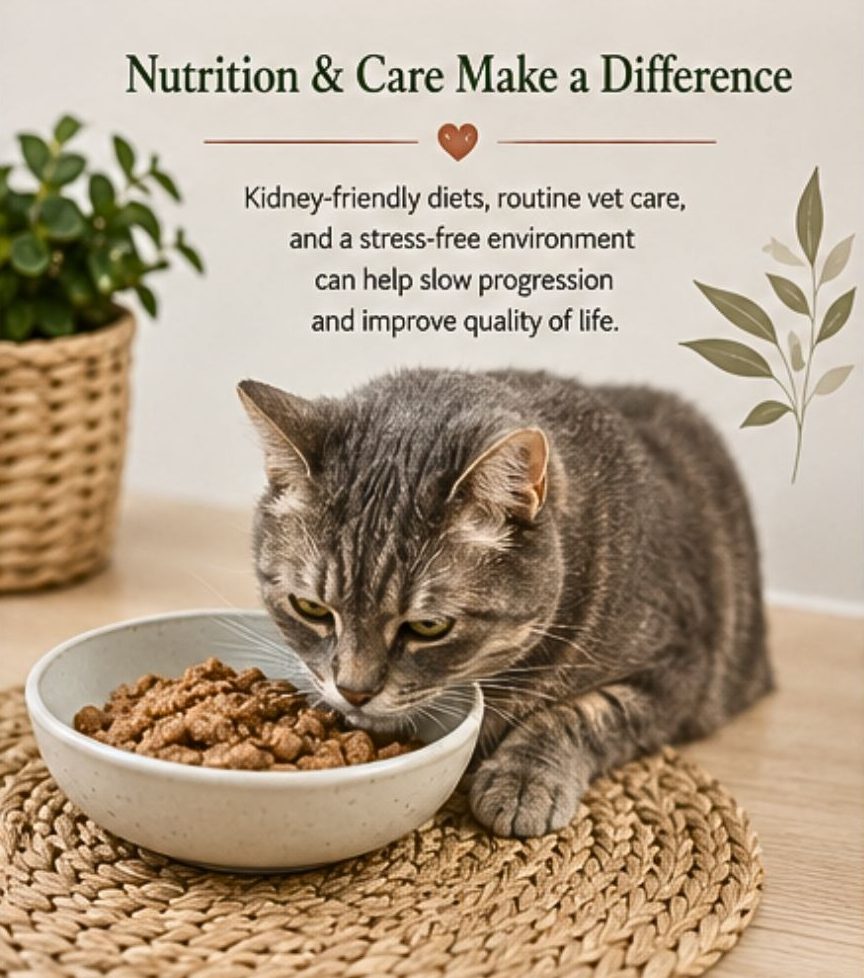
Nutrition is one of the best-supported parts of feline CKD management.
Therapeutic renal diets are formulated to reduce the workload and metabolic consequences associated with declining kidney function. They commonly control phosphorus and adjust protein, sodium, calories, fatty acids, vitamins, and other nutrients differently from standard maintenance diets.
Cornell notes that dietary modification is an important and proven component of CKD care and that studies have shown improved survival and quality of life in cats eating therapeutic kidney diets compared with standard foods.
But the Cat Still Has to Eat
A perfect renal diet does little good if the cat refuses it and loses weight.
Food aversion can become a major problem in CKD because nausea and reduced appetite are common. Diet changes are generally easier when:
- The transition is gradual
- The cat is feeling reasonably well when the new food is introduced
- Different approved textures and flavors are offered
- Food is served at a temperature the cat prefers
- Nausea, dental pain, constipation, or other appetite-limiting problems are treated
If a cat with CKD stops eating or eats very little, contact your veterinarian rather than repeatedly switching foods or attempting an extreme homemade diet.
Can Cats With Kidney Disease Eat Regular Treats?
Treats should fit the cat’s overall nutrition plan. Some ordinary treats may contain relatively high phosphorus, sodium, or other nutrients that are less suitable for a renal diet. Ask the veterinary team which treats are appropriate and how much can be offered without undermining the therapeutic diet.
Can a Cat With Kidney Disease Eat Salmon or Tuna?
Small amounts of a particular food may or may not fit an individual cat’s diet, but fish should not be used as a do-it-yourself treatment for kidney disease. CKD diets are carefully formulated to meet the cat’s complete nutritional needs while controlling important minerals. If you want to use fish or another favorite food as a topper, ask the veterinarian or veterinary nutrition professional how it fits the cat’s prescription plan.
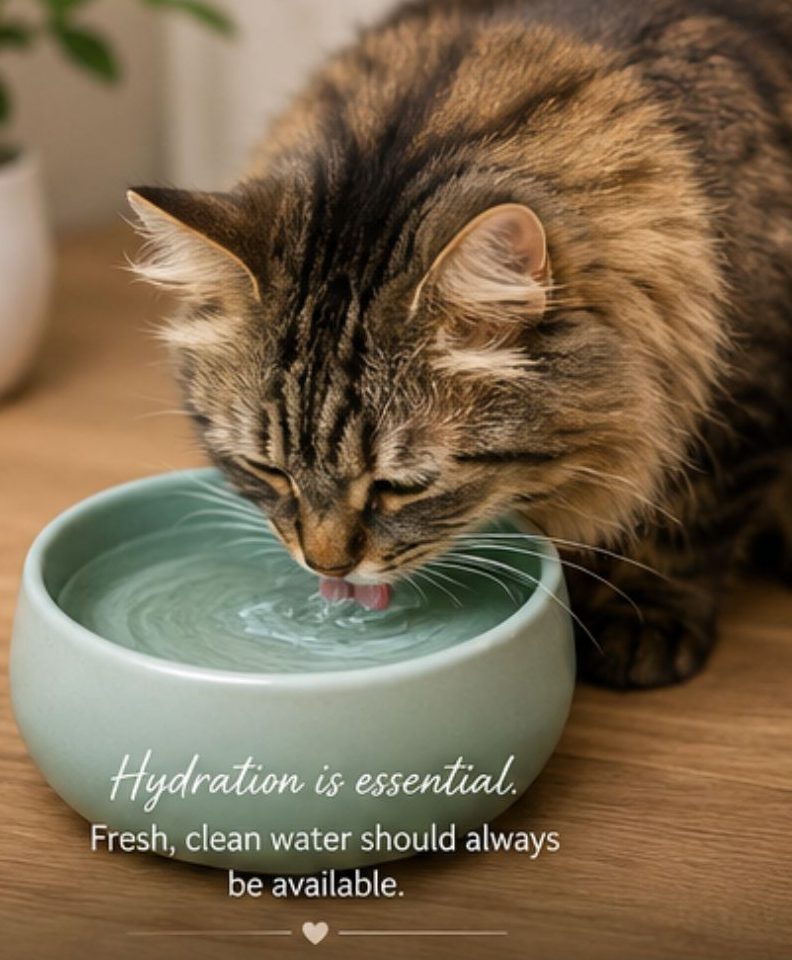
Hydration and Fluid Support
Hydration is central to kidney disease management because cats with CKD often lose more water in their urine.
At Home
- Provide fresh water at all times.
- Use multiple water bowls in convenient locations.
- Some cats drink more readily from a fountain.
- Wet food may help increase dietary water intake when it fits the veterinary nutrition plan.
- Keep water easily accessible for older cats with arthritis or mobility problems.
Subcutaneous or Intravenous Fluids
Some cats, particularly those with more advanced disease or repeated dehydration, may need fluid therapy. Depending on the situation, fluids may be given intravenously at a veterinary hospital or subcutaneously under the skin.
Home subcutaneous fluids should be used only when prescribed and demonstrated by a veterinary professional. The amount and frequency are individualized; too much fluid can be dangerous, particularly in cats with certain heart or blood pressure problems.
Medications and Management of Complications
There is no single “kidney disease medicine” that treats every cat. Instead, veterinarians treat the complications that are present in that particular patient.
High Blood Pressure
IRIS recommends blood pressure evaluation in cats with CKD. Persistent hypertension may require prescription medication and continued monitoring because uncontrolled blood pressure can damage the eyes, nervous system, heart, and kidneys.
Protein in the Urine
Persistent renal proteinuria is associated with kidney disease progression and influences IRIS substaging. Prescription medication may be recommended to reduce protein loss and its effects.
Nausea, Vomiting and Poor Appetite
Cats with moderate to advanced CKD may feel nauseated even if they are not visibly vomiting. Veterinary treatment may include anti-nausea or anti-vomiting medication and, in selected cats, appetite-support medication.
High Phosphorus
Kidneys help regulate phosphorus. Therapeutic renal diets are an important first step in phosphorus control. If diet alone does not keep phosphorus within the veterinarian’s target range, additional treatment may be considered.
Low Potassium
Some cats develop low potassium levels, which can contribute to weakness and poor appetite. Supplementation should be based on blood testing and veterinary direction.
Anemia
Advanced CKD can contribute to anemia because damaged kidneys produce less of the signals needed for red blood cell production. The 2026 IRIS treatment recommendations include clearer guidance for managing clinically important anemia in cats with CKD.
How Long Can a Cat Live With Kidney Disease?
There is no single life-expectancy number that accurately applies to every cat with kidney disease.
Some cats are diagnosed early and remain stable in the same IRIS stage for a long time. Others have more rapidly progressive disease, severe complications, or other illnesses that affect prognosis. IRIS specifically notes that some geriatric cats have minimally progressive kidney disease and may remain within one stage while another condition eventually becomes more important.
Life expectancy is influenced by:
- IRIS stage at diagnosis
- Whether kidney values are stable or changing quickly
- Protein loss in the urine
- Blood pressure
- Phosphorus and potassium control
- Hydration
- Appetite and maintenance of body weight
- Anemia
- Other diseases such as hyperthyroidism, heart disease, cancer, or diabetes
- How well the cat responds to nutrition and treatment
Rather than focusing on an internet estimate, ask your veterinarian what the cat’s stage, laboratory trends, blood pressure, body condition, and overall health suggest about prognosis.
Quality of Life Matters as Much as Time
The goal is not simply to extend survival at any cost. A good CKD treatment plan aims to preserve comfortable days: eating willingly, resting comfortably, grooming, using the litter box, seeking affection, and enjoying normal routines.
Can Feline Kidney Disease Be Reversed?
Chronic kidney disease generally cannot be reversed. Permanent loss of functioning kidney tissue is not restored by changing food, giving supplements, or increasing water intake.
That is different from some forms of acute kidney injury. When kidney dysfunction is caused by a sudden treatable problem, such as dehydration, certain toxins, infection, or urinary obstruction, kidney function may improve after rapid treatment. The degree of recovery varies widely.
A cat with CKD may also look dramatically better after dehydration, nausea, infection, high blood pressure, or another complication is treated. That improvement is valuable, but it should not be mistaken for the underlying chronic disease being cured.
Is Kidney Disease Painful for Cats?
Chronic kidney disease itself is often better described as making a cat feel unwell rather than causing obvious localized pain. Nausea, dehydration, weakness, mouth discomfort associated with severe uremia, headaches or disorientation from high blood pressure, constipation, and other complications can greatly reduce comfort.
Some underlying kidney problems can be painful. Kidney infection, stones, or ureteral obstruction may cause significant discomfort and require urgent treatment.
Watch for behavior suggesting that your cat feels poorly:
- Hiding more than usual
- Hunched posture
- Restlessness or inability to settle
- Growling or resisting handling
- Reduced grooming
- Withdrawal from family activities
- Refusing food
- Repeated vomiting
- Changes in litter box behavior
Do not give a cat human pain medication. Several common human medicines are dangerous or potentially fatal to cats, and kidney disease can make medication choices even more complicated.
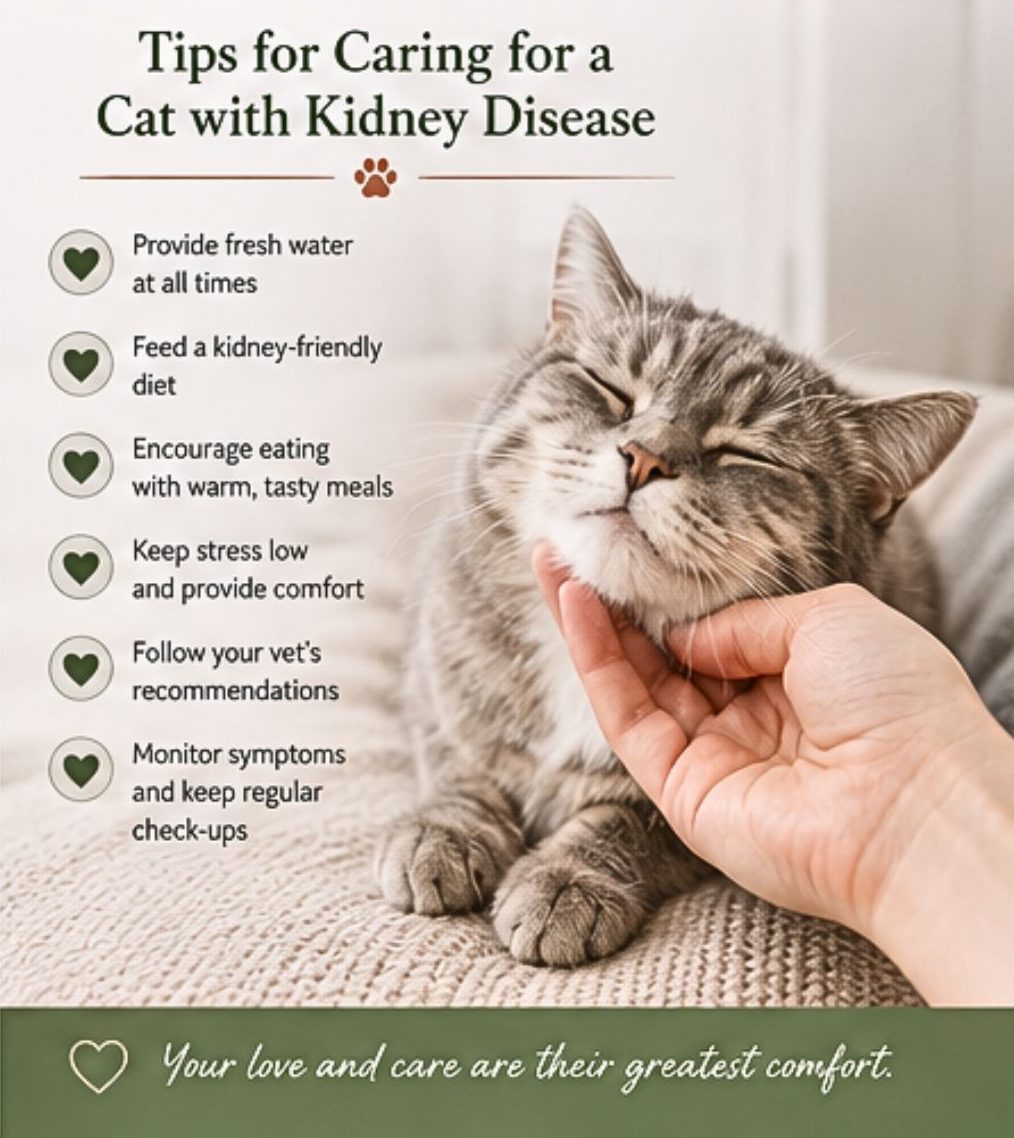
Caring for a Cat With Kidney Disease at Home
A cat with CKD may need more day-to-day support, but home care does not have to feel clinical. Small adjustments can make life easier for both the cat and caregiver.
Make Water Easy to Reach
Place bowls on each level of the home and near favorite resting areas. Older cats should not have to climb stairs every time they want a drink.
Keep Track of Appetite
Changes in appetite can be one of the earliest signs that a CKD cat is becoming nauseated, dehydrated, constipated, or otherwise unwell.
Monitor Body Weight
Weighing the cat regularly can reveal gradual weight loss before it becomes obvious by sight. Ask your veterinary team how frequently they would like weight and body condition monitored.
Watch the Litter Box
Note major changes in urine volume, diarrhea, constipation, blood, straining, or inability to urinate.
Make Life Senior-Cat Friendly
Many cats with CKD also have arthritis. Low-entry litter boxes, ramps or steps to favorite resting places, warm bedding, and food and water on the same floor can improve comfort.
Keep Veterinary Rechecks
CKD management depends on trends. A cat that looks stable at home may develop changes in blood pressure, phosphorus, potassium, proteinuria, anemia, or kidney markers that are easier to manage when found early.
Keep a Simple Health Log
It can help to note:
- Appetite
- Water intake changes
- Vomiting
- Stool quality
- Body weight
- Energy and interaction
- Medication administration
- Fluid therapy if prescribed
A simple record makes gradual changes easier to recognize and gives your veterinarian useful information between visits.
Kidney Disease and Senior Cats
CKD becomes much more common with age. Cornell reports that chronic kidney disease affects a substantial proportion of senior and geriatric cats, which is why regular screening becomes so important even when an older cat appears healthy.
A senior wellness evaluation may include physical examination, body weight and muscle condition, blood pressure, blood chemistry, SDMA, urinalysis, and other tests based on the cat’s history.
Early detection matters because Stage 1 and Stage 2 cats may show few or no outward signs. Finding the disease before a cat becomes visibly ill allows the veterinarian to establish baseline values, monitor trends, identify treatable problems, and begin appropriate management sooner.
Visit the Cats Central Senior Cats Guide
When Kidney Disease Becomes an Emergency
Call a veterinarian promptly if a cat with known or suspected kidney disease:
- Stops eating or eats almost nothing
- Repeatedly vomits or cannot keep water down
- Becomes profoundly weak or collapses
- Appears severely dehydrated
- Develops sudden blindness or disorientation
- Has seizures
- Seems painful
- Strains to urinate but produces little or no urine
- Has a dramatic change in urine production
- May have been exposed to a toxin or unsafe medication
A cat straining without producing urine may have a urinary obstruction, which is a veterinary emergency. Sudden severe illness should not be assumed to be “just the kidney disease.”
Frequently Asked Questions About Feline Kidney Disease
What are the first signs of kidney disease in cats?
Early kidney disease may cause no obvious symptoms. Increased thirst, larger urine clumps, gradual weight loss, reduced appetite, and changes found on routine blood and urine testing are common early clues.
What are the symptoms of a cat with kidney disease?
Common symptoms include increased drinking and urination, weight and muscle loss, reduced appetite, nausea, vomiting, dehydration, lethargy, poor coat condition, weakness, and sometimes pale gums or vision changes caused by complications.
How do cats get kidney disease?
CKD may develop from many causes, including age-related changes, inherited disease, previous kidney injury, infections, stones or obstruction, inflammation, toxins, structural abnormalities, and other kidney disorders. In many older cats, a single cause is never identified.
Can feline kidney disease be reversed?
Permanent chronic kidney disease generally cannot be reversed. Some acute kidney injuries can improve when the underlying cause is treated quickly, and cats with CKD can feel significantly better when dehydration, nausea, blood pressure, infection, or other complications are controlled.
What are the four stages of cat kidney disease?
IRIS divides stable chronic kidney disease into Stages 1 through 4 using creatinine and SDMA, with additional substaging based on urine protein and blood pressure. Stage 1 represents early disease and Stage 4 severe kidney dysfunction.
What does Stage 2 kidney disease mean in a cat?
Stage 2 generally indicates mild kidney dysfunction. Many cats have mild symptoms or none at all. Management often focuses on slowing progression, monitoring blood pressure and proteinuria, maintaining hydration, and using appropriate renal nutrition.
What does Stage 3 kidney disease mean in a cat?
Stage 3 means moderate kidney dysfunction. Some cats remain relatively comfortable while others develop appetite changes, nausea, vomiting, dehydration, anemia, mineral abnormalities, or other systemic signs requiring additional treatment.
What happens in Stage 4 kidney disease?
Stage 4 involves severe loss of kidney function and a greater risk of uremic illness. Treatment increasingly emphasizes quality of life and management of dehydration, nausea, vomiting, anemia, acid-base disturbances, poor appetite, and other complications.
How long can a cat live with kidney disease?
Survival varies too much for one number to be useful. Some cats remain stable for long periods, especially when diagnosed earlier, while others progress more quickly. Stage, laboratory trends, blood pressure, proteinuria, appetite, body condition, and concurrent illnesses all influence prognosis.
Is cat kidney failure painful?
CKD often makes cats feel nauseated, weak, dehydrated, or generally unwell rather than causing obvious kidney pain. Kidney infections, stones, or obstruction can be painful. Any sign of distress should be discussed with a veterinarian.
Why is my cat with kidney disease throwing up?
Nausea and vomiting can occur as CKD progresses because metabolic waste and other imbalances affect the gastrointestinal system. Vomiting can also have unrelated causes, so repeated vomiting should be evaluated rather than automatically attributed to CKD.
Can a cat with kidney disease eat a lot and still lose weight?
Yes, but increased appetite with weight loss can also suggest other diseases such as hyperthyroidism or diabetes. Cats can have CKD and another condition at the same time, so appetite and weight changes deserve veterinary investigation.
What food is best for cats with kidney disease?
Veterinary therapeutic renal diets have the strongest evidence for cats with CKD. The best choice depends on the cat’s stage, laboratory results, appetite, other diseases, and food preferences. A veterinarian can recommend an appropriate diet and transition plan.
Should cats with kidney disease drink more water?
Cats with CKD often need greater access to water because they may lose more fluid through dilute urine. Fresh water should always be available. Some cats need additional fluid support prescribed by a veterinarian.
Is kidney disease the same as urinary tract disease?
No. Kidney disease affects the kidneys, while lower urinary tract disease primarily involves the bladder and urethra. Symptoms can overlap, and a urinary obstruction is an emergency that requires immediate veterinary care.
Related Cats Central Guides
- Cat Health
- Senior Cats
- Cat Nutrition
- Cat Care
- Persian Cats
- Cat Breeds and Types
- Cat Rescue, Rehoming and Adoption
The Bottom Line
A diagnosis of feline kidney disease is frightening, but chronic kidney disease is not one single predictable journey.
Some cats are diagnosed early and remain comfortable and stable for a long time. Others need more intensive management. What matters most is knowing the cat’s actual stage, watching trends rather than one laboratory value, managing complications, maintaining nutrition and hydration, and paying close attention to quality of life.
For senior cats, regular veterinary screening offers the best opportunity to find kidney disease before obvious symptoms appear. For a cat already living with CKD, thoughtful veterinary care and attentive home management can make an enormous difference in comfort and wellbeing.
Sources and Further Reading
- International Renal Interest Society (IRIS): CKD Staging System
- International Renal Interest Society (IRIS): 2026 CKD Guidelines and Treatment Recommendations
- Cornell Feline Health Center: Chronic Kidney Disease
- Merck Veterinary Manual: Renal Dysfunction in Dogs and Cats
- World Small Animal Veterinary Association: Global Nutrition Guidelines
Veterinary note: Cats Central provides general educational information and does not diagnose or treat individual animals. Kidney disease requires veterinary testing, staging, monitoring, and an individualized treatment plan.
Last reviewed: August 2026