

Introducing the Bengal
We recommend Bengal cats for active individuals and families who want an intelligent, highly interactive companion. They thrive in homes where they receive plenty of daily play, climbing opportunities, puzzle toys, and regular interaction with their people. If you’re looking for an affectionate cat with a playful, dog-like personality and can commit to meeting their physical and mental needs, a Bengal can make an extraordinary companion.
In This Guide
- Bengal at a Glance
- Quick Breed Snapshot
- Cats Central Report Card
- Meet the Bengal
- History and Origins
- Photo Gallery
- Personality and Temperament
- Life With a Bengal
- Affection, Handling & Lap-Cat Tendencies
- Vocalness and Communication
- Intelligence, Training & Household Manners
- Exercise, Play & Enrichment
- Size and Appearance
- Coat Types, Colors & Patterns
- Grooming and Coat Care
- Shedding and Allergies
- Nutrition and Feeding
- Health and Lifespan
- Living With Children
- Living With Other Cats
- Living With Dogs
- Living With Birds and Small Pets
- Apartment and Small-Home Living
- Alone Time and Busy Households
- Indoor Versus Outdoor Living
- First-Time Cat Owners
- Suitability for Seniors
- Pros and Cons
- Is a Bengal Right for You?
- Choosing a Kitten
- Finding a Responsible Breeder
- Adoption and Rescue
- Costs of Living With a Bengal
- Frequently Asked Questions
- Continue Exploring
- Trusted Resources
- This Guide Is Growing
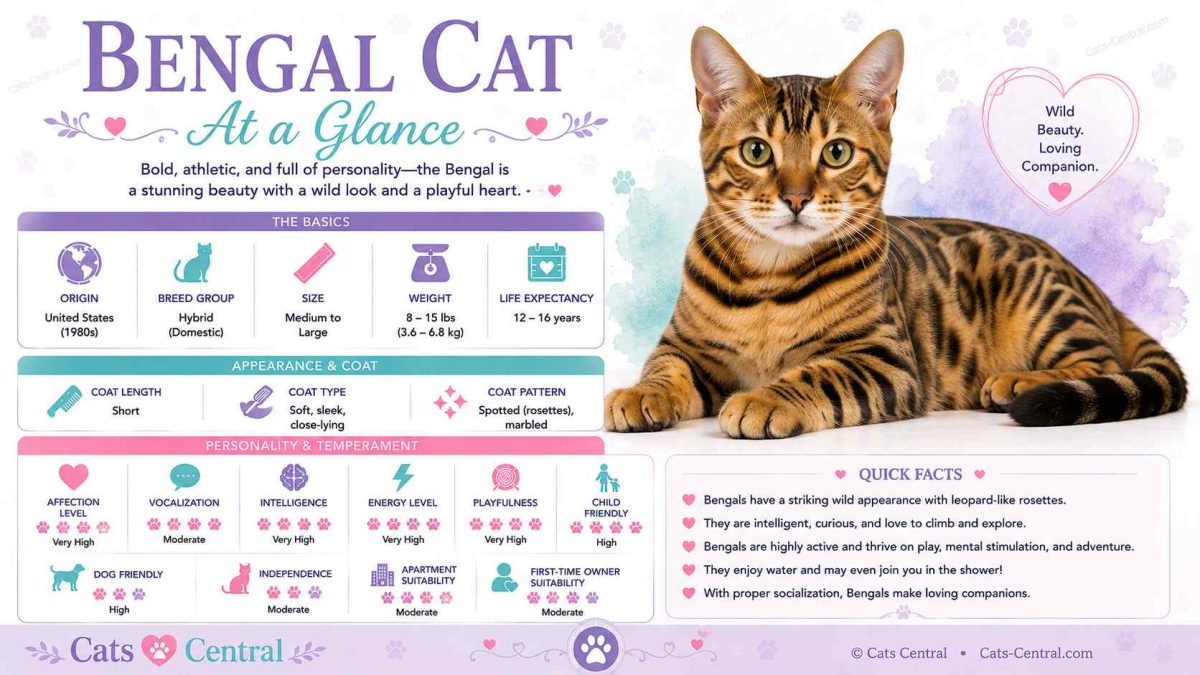
Bengal Cats at a Glance
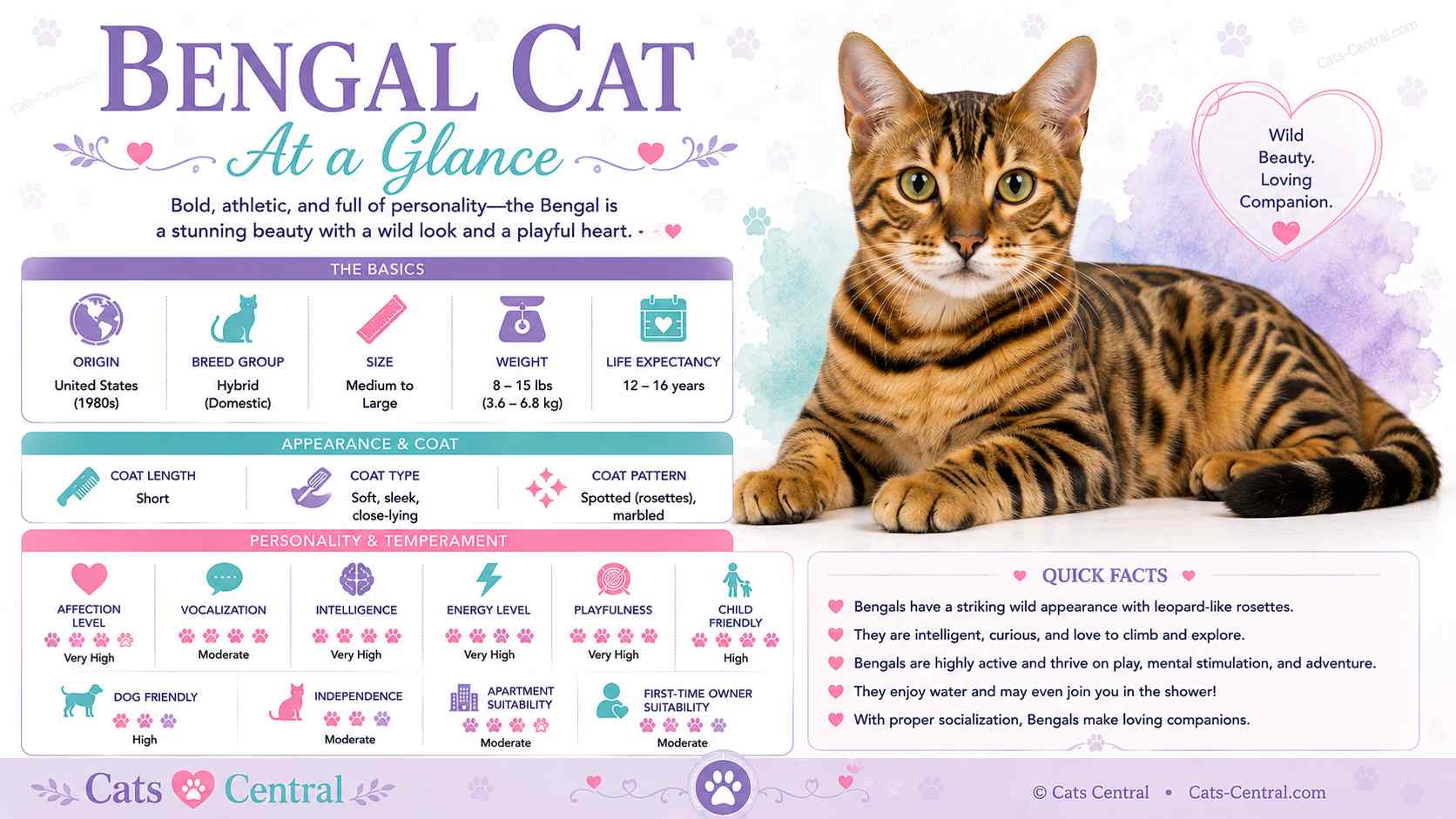
The Bengal is an extraordinary cat breed that combines the stunning appearance of a small wild cat with the affectionate, playful nature of a devoted family companion. Renowned for their striking spotted or marbled coats, boundless energy, and remarkable intelligence, Bengals thrive in homes where they can climb, explore, learn, and interact with their people. They are highly social, curious, and confident cats that enjoy being involved in almost everything their family does.
While their exotic appearance attracts many admirers, Bengals require more time, enrichment, and daily interaction than the average cat. Prospective owners should be prepared to provide plenty of physical exercise, mental stimulation, and companionship to keep these remarkable cats happy and healthy.
Quick Breed Snapshot
| Breed Group | Domestic Hybrid / Companion Cat |
|---|---|
| Size | Medium to Large |
| Weight | 8–15 pounds (3.5–6.8 kg) |
| Lifespan | 12–16 years |
| Coat | Short, dense, luxurious |
| Shedding | Low to Moderate |
| Energy Level | ★★★★★ Very High |
| Affection | ★★★★☆ High |
| Intelligence | ★★★★★ Exceptional |
| Talkativeness | ★★★★☆ Moderately Vocal |
| Good With Children | ★★★★★ Excellent |
| Good With Dogs | ★★★★☆ Usually Very Good |
| Good With Other Cats | ★★★★☆ Usually Good |
| Apartment Friendly | ★★★★☆ Yes, with plenty of enrichment |
| Beginner Friendly | ★★☆☆☆ Better for experienced owners |
Cats Central Report Card
| Category | Rating | Comments |
|---|---|---|
| Affection | ★★★★☆ | Forms strong bonds with family and enjoys being involved in daily life. |
| Intelligence | ★★★★★ | One of the most intelligent cat breeds, capable of learning tricks, commands, and puzzle-solving. |
| Playfulness | ★★★★★ | Extremely energetic and playful well into adulthood. |
| Activity Level | ★★★★★ | Needs plenty of daily exercise, climbing opportunities, and interactive play. |
| Grooming Needs | ★★☆☆☆ | Minimal grooming required thanks to its short, easy-care coat. |
| Health | ★★★★☆ | Generally healthy, though responsible breeding and regular veterinary care are important. |
| Trainability | ★★★★★ | Highly trainable using positive reinforcement and food rewards. |
| Good with Children | ★★★★★ | Excellent choice for families with respectful children who enjoy interactive play. |
| Good with Dogs | ★★★★☆ | Usually gets along well with cat-friendly dogs when introduced properly. |
| Apartment Living | ★★★★☆ | Can adapt well if provided with climbing trees, toys, and daily enrichment. |
| First-Time Owners | ★★☆☆☆ | Better suited to owners prepared for a highly active, intelligent, and demanding companion. |
| Overall Rating | ★★★★★ | An exceptional breed for active households seeking an engaging, intelligent, and affectionate feline companion. |
About the Bengal
The Bengal is one of the most striking and captivating cat breeds in the world. With its beautifully spotted or marbled coat, athletic build, and graceful movements, it has the unmistakable appearance of a miniature wild leopard. Despite its exotic looks, today’s Bengal is a loving, affectionate companion that thrives on human interaction and enjoys being part of an active family.
Developed by crossing domestic cats with the Asian Leopard Cat in the 1960s and 1970s, modern Bengals are many generations removed from their wild ancestors. Responsible breeding has produced a confident, intelligent, and highly social breed that combines remarkable beauty with a playful, outgoing personality. Bengals are recognized by major cat registries around the world and have become one of the most popular pedigree cat breeds.
Life with a Bengal is rarely dull. These cats are endlessly curious and exceptionally clever, often learning how to open cupboards, retrieve toys, walk on a harness, or solve food puzzles with surprising ease. Many also enjoy water, climbing to the highest vantage points in the home, and following their owners from room to room to see what they’re doing.
While Bengals make wonderful companions for many households, they are best suited to owners who can devote plenty of time to play, enrichment, and companionship. Given the opportunity to exercise both their bodies and minds, a Bengal rewards its family with loyalty, affection, entertaining antics, and a lifetime of unforgettable memories.
History and Origins of the Bengal
How the Breed Developed
The Bengal is one of the newest and most distinctive pedigree cat breeds, developed to combine the breathtaking appearance of a wild cat with the affectionate temperament of a domestic companion. The breed’s origins can be traced to the 1960s, when American breeder Jean Mill began experimenting with carefully planned crosses between domestic cats and the Asian Leopard Cat (Prionailurus bengalensis), a small wild feline native to Asia.
After many years of selective breeding, dedicated breeders succeeded in producing cats that retained the Bengal’s dramatic spotted and marbled coat patterns while developing the friendly, confident, and people-oriented temperament expected of a family pet. Today’s Bengals are many generations removed from their wild ancestors and are bred exclusively from domestic Bengal bloodlines, resulting in cats that are both beautiful and well suited to life as companions.
Recognition by Cat Registries
The Bengal gained official recognition during the 1980s and 1990s as breeders established consistent breed standards and demonstrated the stability of the breed. Today, Bengals are recognized by most major cat registries worldwide, including The International Cat Association (TICA), the Cat Fanciers’ Association (CFA), the Canadian Cat Association (CCA-AFC), the Governing Council of the Cat Fancy (GCCF) in the United Kingdom, and Fédération Internationale Féline (FIFe) throughout Europe.
Although early generations of Bengal cats required special registration rules because of their wild ancestry, modern Bengals kept as pets are several generations removed from the Asian Leopard Cat and are considered fully domestic by these organizations.
Interesting Historical Facts
The Bengal takes its name from the scientific name of its wild ancestor, Prionailurus bengalensis, rather than from the country of Bangladesh or the Bengal region of India.
Many Bengals possess a unique feature known as “glitter,” where the tips of the coat catch and reflect the light, giving the fur a shimmering, almost golden appearance. This highly prized characteristic is rarely seen in other cat breeds.
Because of their remarkable intelligence and athleticism, Bengals have helped change perceptions of what domestic cats are capable of. Many owners successfully teach their Bengals to retrieve toys, walk on a harness and leash, navigate obstacle courses, perform tricks, and even enjoy playing in water—activities more commonly associated with dogs than cats.
Bengal Photo Gallery
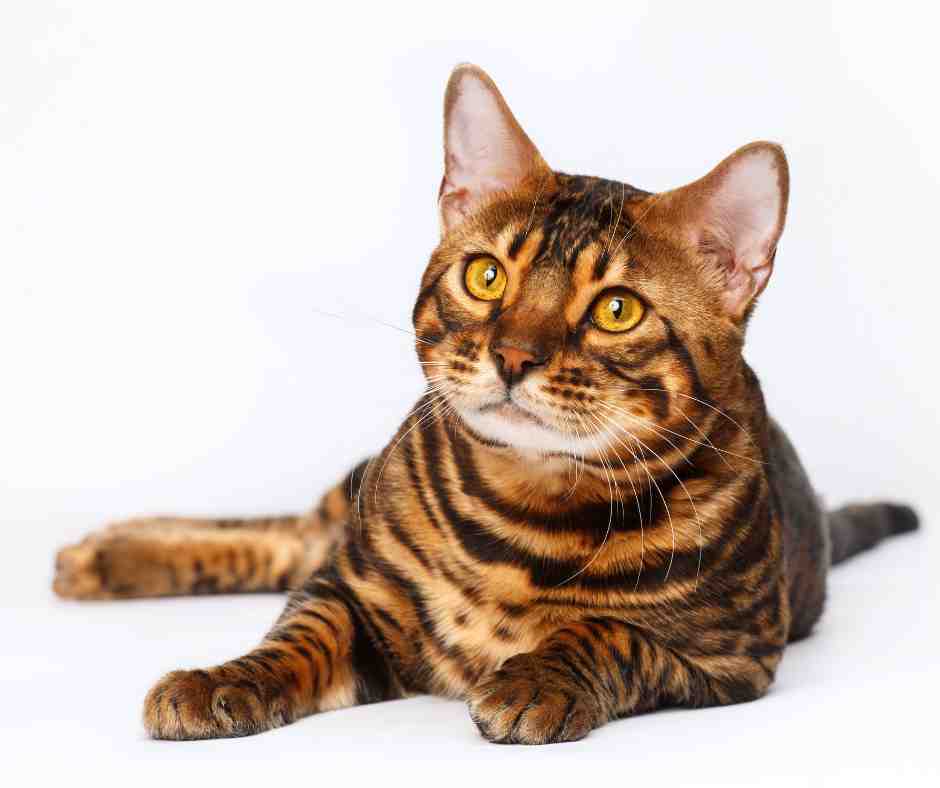
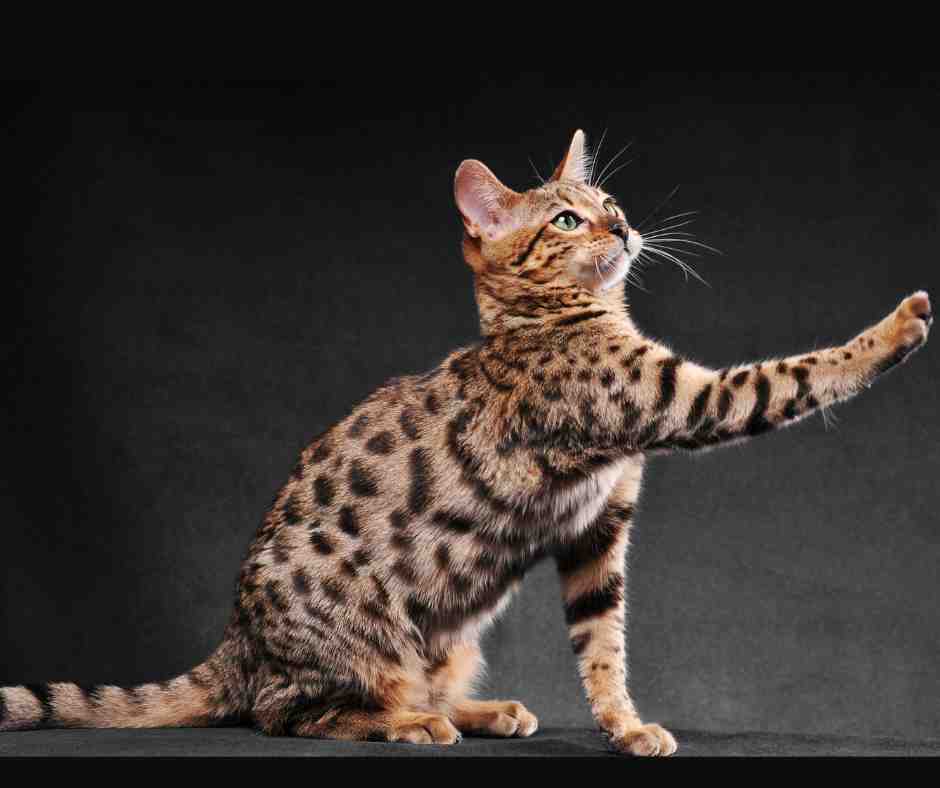
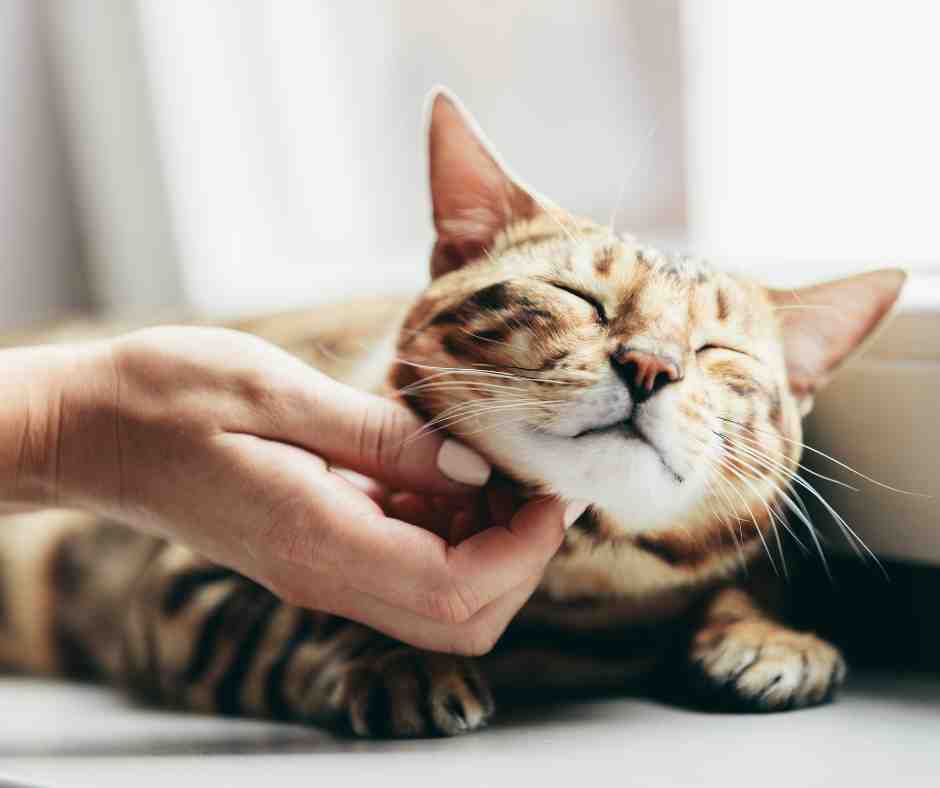
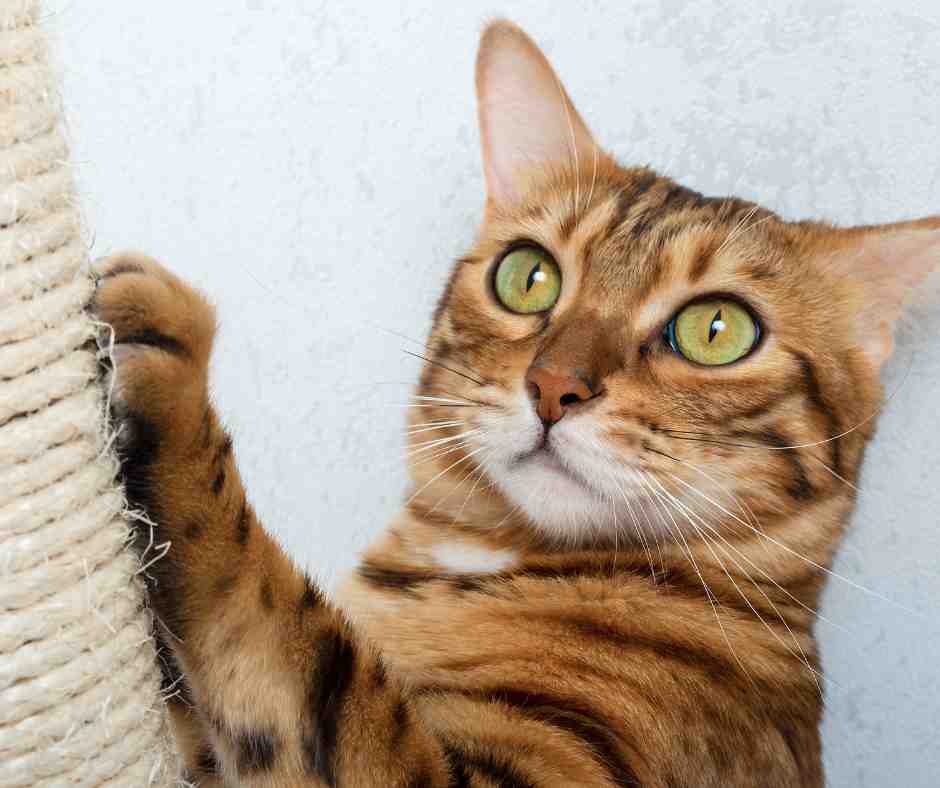
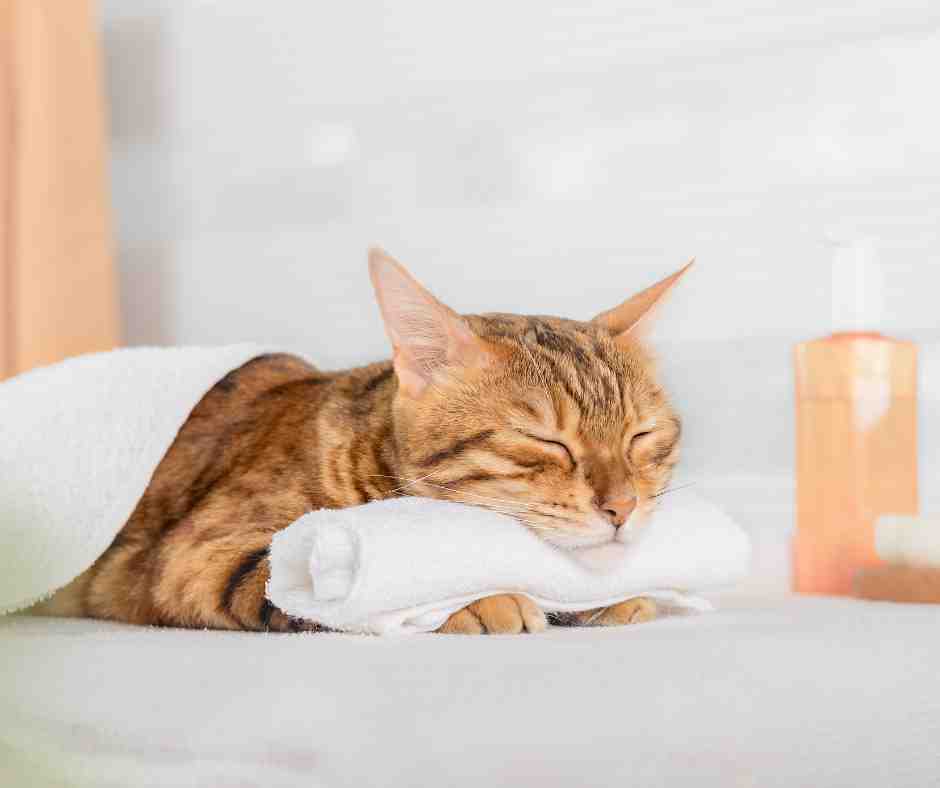
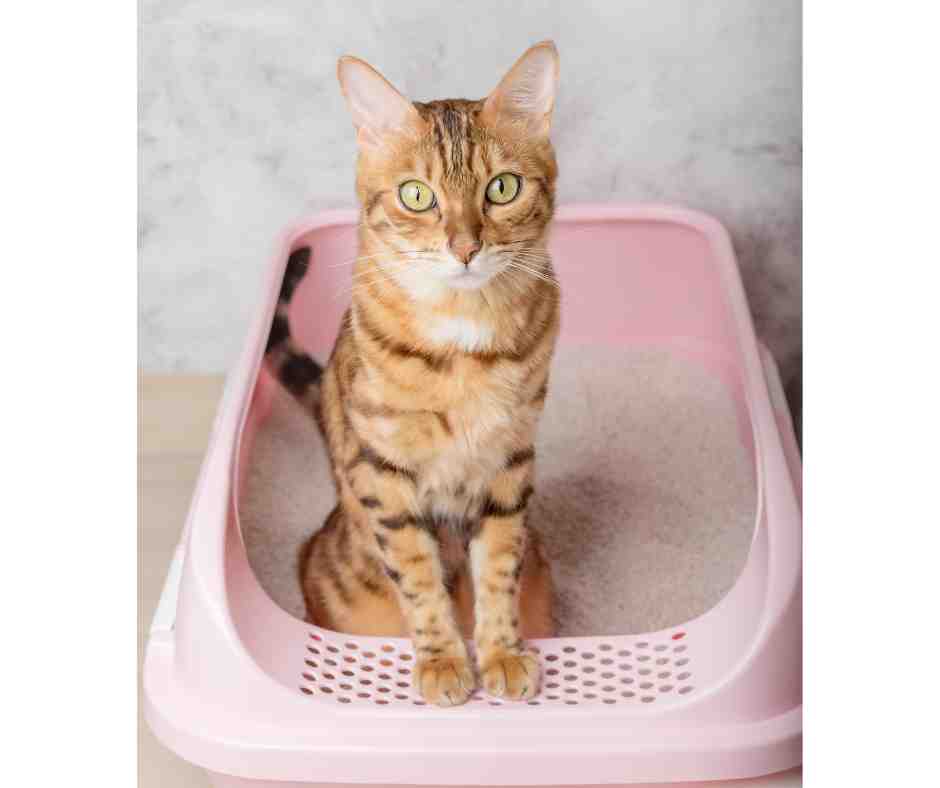
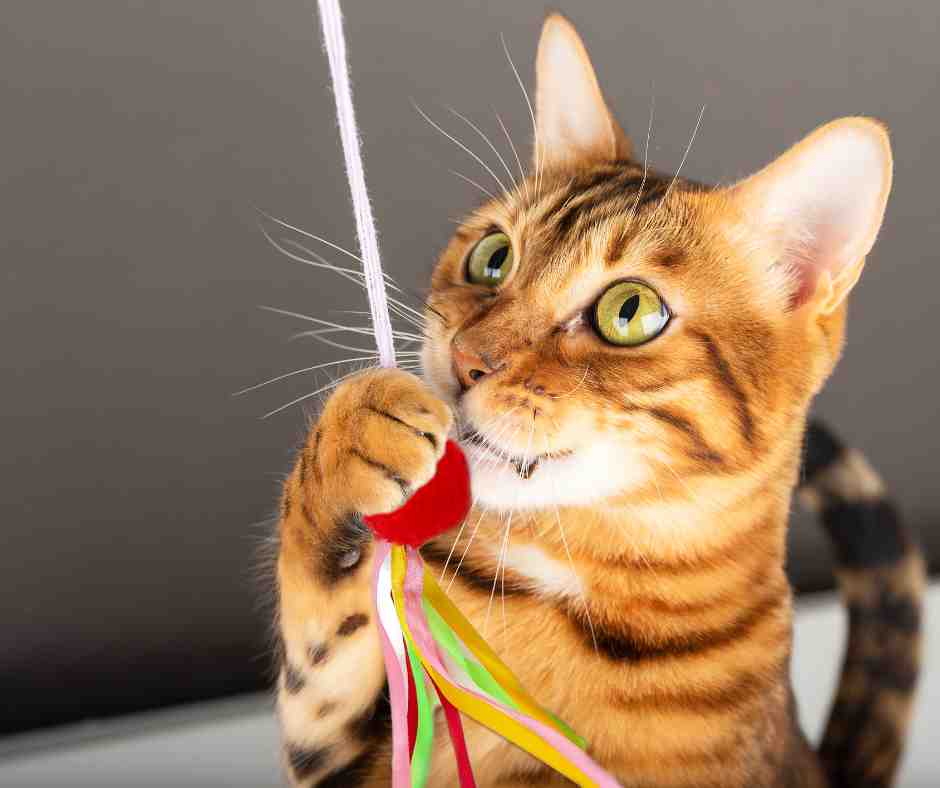
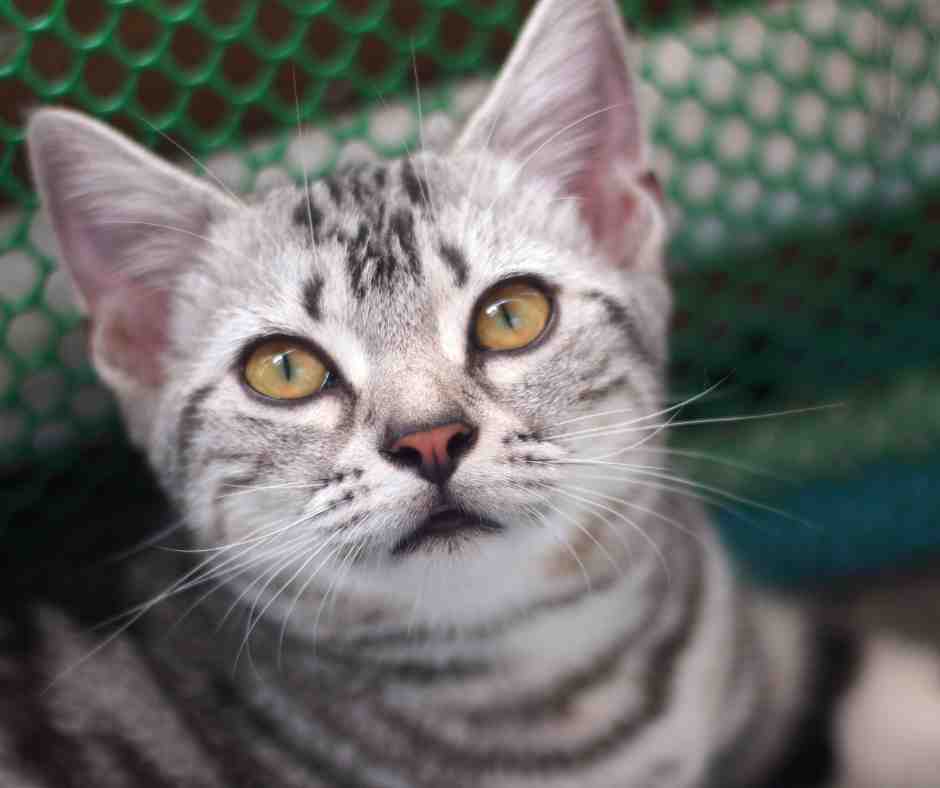
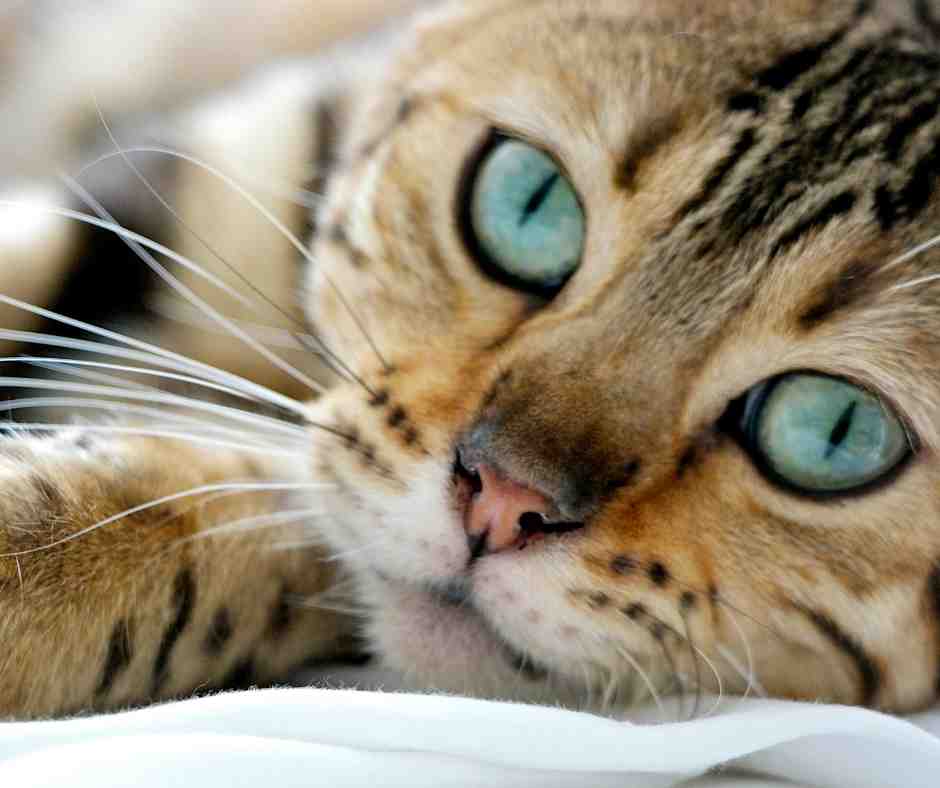
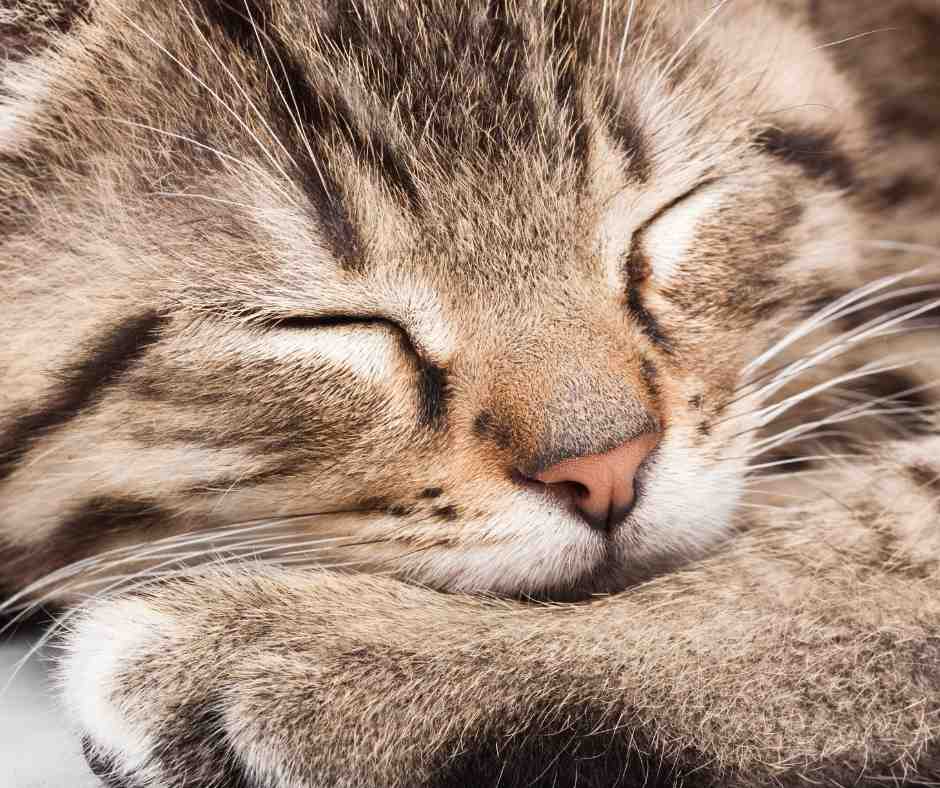
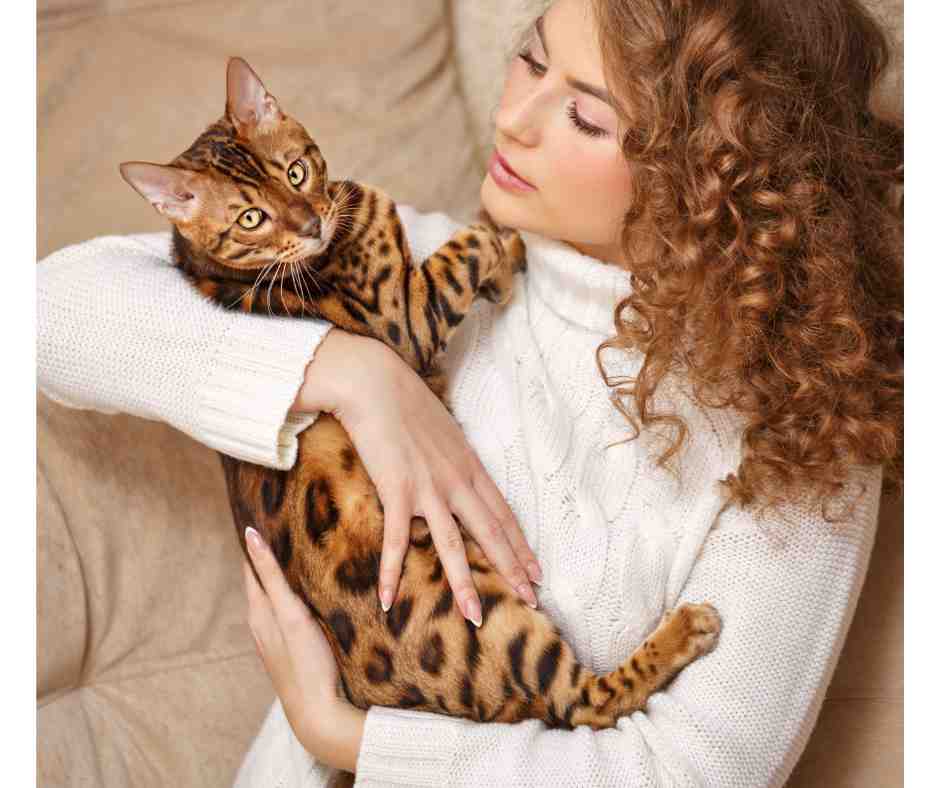
Bengal cats are among the most photogenic of all cat breeds. Their striking spotted or marbled coats, athletic build, and expressive personalities make them a favourite of photographers and cat lovers alike. Browse our gallery to discover the incredible variety of colours, patterns, ages, and everyday moments that make Bengals such unforgettable companions.
From playful kittens and graceful adults to family life, climbing adventures, and those unmistakable leopard-like markings, these images showcase the intelligence, beauty, and lively spirit that have made the Bengal one of the world’s most admired cat breeds.




Bengal Personality and Temperament
Typical Personality Traits
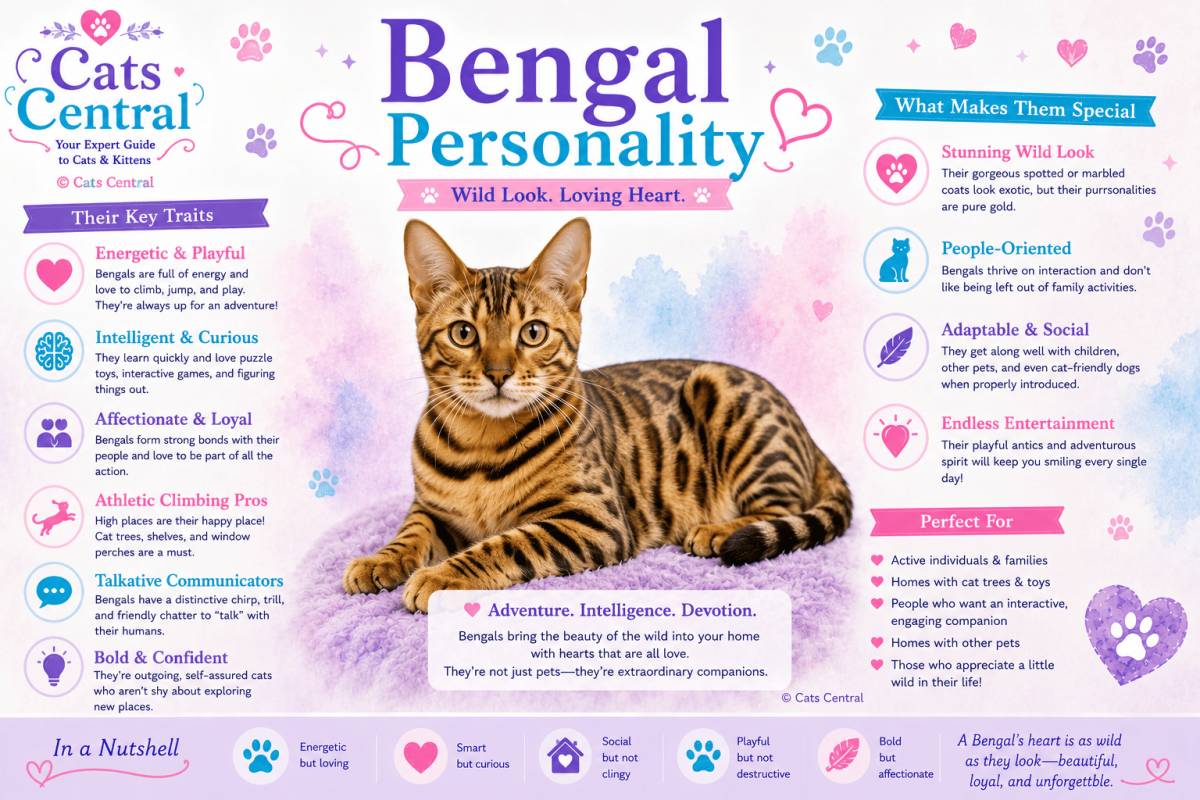
Bengals are renowned for their intelligence, curiosity, and boundless enthusiasm for life. They are active, confident cats that love to explore every corner of their home and become involved in almost everything their family does. Unlike more independent breeds, Bengals actively seek interaction and enjoy playing games, solving puzzles, learning tricks, and even accompanying their owners from room to room. Their playful nature often continues well into adulthood, making them entertaining companions for families who appreciate an energetic pet.
Although highly active, Bengals are also affectionate and often form deep bonds with their families. Many enjoy sitting nearby, greeting their owners at the door, or curling up beside them after an exciting day of play. They are best described as interactive companions rather than traditional lap cats.
Confidence and Sensitivity
The Bengal is naturally bold, adventurous, and self-assured. Most Bengals adapt well to new environments and enjoy investigating unfamiliar sights, sounds, and experiences. Their confidence allows them to approach life with curiosity rather than fear, making them excellent candidates for leash training, travel, and interactive activities.
Despite their outgoing personality, Bengals are surprisingly sensitive to their owners’ routines and emotions. They thrive on positive interaction and can become bored or frustrated if left alone for long periods without sufficient enrichment. Gentle guidance, consistency, and positive reinforcement bring out the very best in this remarkable breed.
Behaviour Around New People
Most Bengals are friendly and inquisitive when meeting visitors. Rather than hiding, many prefer to observe newcomers before confidently introducing themselves. Their curiosity often gets the better of them, and guests may soon find themselves being closely supervised by their feline host.
Individual personalities naturally vary. Some Bengals are immediately outgoing, while others take a little time to assess unfamiliar people before becoming affectionate. Early socialization during kittenhood helps develop a confident, well-adjusted adult cat that is comfortable in a variety of situations.
How Much Attention Does This Breed Need?
Bengals require considerably more interaction than the average cat. Daily play sessions, climbing opportunities, puzzle feeders, training exercises, and regular family involvement help satisfy both their physical and mental needs. A Bengal that receives plenty of attention is usually a happy, well-behaved companion.
Because they are so intelligent, Bengals quickly invent their own entertainment if left bored for long periods. This may include opening cupboards, climbing onto high shelves, unrolling toilet paper, or investigating places they shouldn’t. Providing plenty of enrichment is one of the keys to living successfully with this extraordinary breed.
Beginner Mistake to Avoid:
Don’t choose a Bengal simply because of its stunning wild appearance. Their intelligence and energy levels are much higher than those of most domestic cats. Without daily play, climbing opportunities, and mental stimulation, a bored Bengal can become destructive, noisy, or develop unwanted behaviours. Choosing a Bengal means committing to an active, engaging relationship—not simply owning a beautiful cat.

Life With a Bengal
What Is a Typical Day Like?
A typical day with a Bengal is active, social, and rarely predictable. Many begin the morning by checking on their favourite people, inspecting breakfast preparations, and patrolling the home for anything new or interesting. Once awake, they are usually ready to play, climb, investigate, or supervise whatever their family is doing.
Throughout the day, a Bengal may alternate between bursts of energetic activity and periods of comfortable rest. They often enjoy interactive games, puzzle feeders, window watching, climbing structures, and short training sessions. After their physical and mental needs have been met, many Bengals settle near their owners for a nap or a quiet evening together.
Will This Cat Follow You Around?
Very likely. Bengals are highly people-oriented cats and often follow family members from room to room. They may accompany you while you cook, work, fold laundry, clean the house, or prepare for bed. Some seem determined to participate in every household activity, even when their assistance is not especially useful.
This behaviour is usually a sign of curiosity and companionship rather than insecurity. Bengals enjoy knowing what is happening and often form a close attachment to one or more members of the household.
Does This Breed Jump on Counters and High Furniture?
Bengals are exceptional climbers and jumpers, so counters, bookcases, refrigerators, shelves, and tall furniture may all become part of their territory. Their muscular bodies and powerful hind legs allow them to reach places that many owners assume are inaccessible.
Providing tall cat trees, wall-mounted climbing shelves, window perches, and other approved elevated spaces can help redirect this natural behaviour. Consistent boundaries are still important, but owners should expect climbing to remain a major part of Bengal life.
Will This Cat Wake You Early?
A Bengal may become an enthusiastic early-morning alarm clock, particularly when breakfast or playtime follows a predictable schedule. Some vocalize, walk across the bed, tap their owners, knock lightweight objects from furniture, or begin racing around the home when they decide the day should begin.
Owners can reduce early waking by providing an energetic play session before bedtime, offering a small evening meal, and avoiding rewarding unwanted morning behaviour. An automatic feeder may also prevent the cat from associating waking its owner with receiving breakfast.
Does This Breed Need Constant Entertainment?
Bengals do not need someone actively entertaining them every minute, but they do need considerably more stimulation than many other breeds. A home containing climbing areas, rotating toys, puzzle feeders, scratching posts, viewing windows, and safe objects to investigate will help them remain occupied between play sessions.
Most Bengals still require several periods of direct interaction each day. Wand-toy games, fetching, clicker training, food puzzles, and supervised harness walks can all help satisfy their need for physical and mental activity.
Common Household Habits and Quirks
Bengals are famous for turning ordinary household activities into entertainment. Many enjoy watching running water, playing in sinks, dropping toys into water dishes, or observing their owners in the shower. Some learn to open cupboards, drawers, doors, and containers after watching how they work.
They may carry toys around the home, play fetch, chatter at birds, rearrange lightweight belongings, or hide favourite objects in unexpected places. Bengals can also be quite vocal, using chirps, trills, meows, and other distinctive sounds to communicate their opinions.
Because they notice small changes, a new box, grocery bag, piece of furniture, or open cupboard is likely to receive an immediate and thorough inspection.
What Owners Often Find Most Surprising
Many first-time Bengal owners are surprised by just how intelligent, determined, and interactive these cats can be. A Bengal may learn household routines after only a few repetitions and quickly discover how to obtain food, attention, or access to an interesting room.
Owners are also frequently surprised by the breed’s affectionate side. Their dramatic appearance can make Bengals seem distant or wild, but many become deeply attached to their families. They may greet their owners at the door, sleep beside them, bring toys for games, and insist on being included in daily life.
Perhaps the greatest surprise is that living with a Bengal can feel less like owning a conventional cat and more like sharing a home with a clever, athletic companion who is always looking for the next activity.
Affection, Handling and Lap-Cat Tendencies
Is the Bengal Affectionate?
Yes—although Bengals tend to express affection differently from many other cat breeds. Rather than spending hours curled up on a lap, most Bengals prefer to stay close to their favourite people while remaining actively involved in whatever is happening. They often greet family members at the door, follow them from room to room, and seek regular interaction throughout the day.
Well-socialized Bengals are loving, loyal companions that enjoy being part of family life. Their affectionate nature is usually shown through companionship, play, and curiosity rather than long periods of quiet cuddling.
Is This Breed a Lap Cat?
Not usually. While every cat has its own personality, most Bengals are too energetic and inquisitive to spend extended periods sitting on their owner’s lap. They often prefer sitting beside you, resting against your legs, or choosing a nearby perch where they can keep an eye on everything happening around them.
Many Bengals become more relaxed and cuddly as they mature, particularly after a busy play session. Owners who appreciate an interactive companion rather than a constant lap cat are often delighted with the breed’s balanced personality.
Does This Cat Enjoy Being Picked Up?
Most Bengals tolerate being picked up briefly if they have been gently handled from kittenhood, but they generally prefer having all four paws on a solid surface. Many are perfectly happy to receive affection while standing beside their owners instead of being carried around.
Gentle, respectful handling and allowing the cat to choose when interactions begin and end usually produces the best relationship. Forcing a Bengal to remain in someone’s arms is likely to result in a quick escape.
Does the Breed Bond With One Person?
Bengals often develop an especially close relationship with one member of the household while remaining friendly toward everyone else. Their favourite person is frequently the one who spends the most time playing, training, feeding, and interacting with them.
Despite these strong individual bonds, most Bengals remain affectionate with the entire family and generally enjoy participating in everyone’s daily activities.
How Does This Cat Show Affection?
Bengals express affection in many charming ways. They may greet you enthusiastically when you arrive home, follow you around the house, rub against your legs, head-butt your hand for attention, sleep nearby, or bring toys to encourage a game. Many also communicate through chirps, trills, and soft vocalizations that become part of daily conversations with their owners.
Rather than demanding constant cuddles, Bengals usually show their love by wanting to share your life. If your Bengal insists on supervising your work, watching you cook, or accompanying you from room to room, it’s often their way of saying they enjoy your company.
Vocalness and Communication
Is the Bengal Vocal?
Yes. Bengals are generally considered one of the more vocal cat breeds, although they are not usually as talkative as Siamese cats. Many Bengals enjoy carrying on “conversations” with their owners using a fascinating variety of chirps, trills, meows, yowls, and chattering sounds. Individual cats vary considerably, with some being relatively quiet while others seem to have something to say about everything.
Their vocalizations are often accompanied by expressive body language, making Bengals excellent communicators. Once owners become familiar with their cat’s unique sounds, they can often tell whether the Bengal is greeting them, asking to play, requesting food, or simply commenting on household events.
Common Reasons for Vocalizing
Bengals frequently vocalize to communicate their needs and excitement. Common reasons include greeting family members, asking for meals, requesting playtime, seeking attention, announcing the discovery of a favourite toy, or expressing curiosity about something happening outside a window.
Because Bengals are highly intelligent, they quickly learn that vocalizing often gets their owner’s attention. Excessive meowing can sometimes develop if every vocal request is immediately rewarded. Consistent routines, plenty of mental stimulation, and rewarding calm behaviour can help prevent attention-seeking from becoming excessive.
Some Bengals also become more vocal when watching birds, squirrels, or other wildlife through a window, producing the familiar chattering sounds seen in many domestic cats.
Body Language and Nonverbal Communication
Like all cats, Bengals communicate constantly through their posture, ears, tail, eyes, and facial expressions. An upright tail often signals confidence and friendliness, while slow blinking is a sign of trust and affection. Forward-facing ears and relaxed whiskers usually indicate curiosity, whereas flattened ears, a twitching tail, or tense posture may signal frustration or overstimulation.
Bengals are particularly expressive with their bodies. They frequently use head bumps, rubbing against their owners, playful pounces, and enthusiastic body movements to communicate their intentions. Many also stare expectantly at doors, cupboards, toys, or food containers, clearly indicating what they would like their humans to do next.
Learning to read both your Bengal’s vocalizations and body language helps build a stronger relationship and makes it much easier to understand what your intelligent feline companion is trying to tell you.
Intelligence, Training and Household Manners
Bengals are widely regarded as one of the most intelligent domestic cat breeds. Their curiosity, problem-solving ability, and eagerness to interact with people make them highly trainable compared to many other cats. With patience, consistency, and positive reinforcement, most Bengals quickly learn household routines, commands, and even impressive tricks that surprise first-time owners.
How Intelligent Is the Bengal?
Bengals are exceptionally bright and constantly looking for opportunities to learn. They quickly figure out where treats are kept, how doors and cupboards work, and which behaviours get your attention. Many owners find themselves regularly “outsmarted” by their Bengal, especially if the cat has discovered a way to reach something interesting.
Their intelligence means they thrive when given mental challenges. Puzzle feeders, interactive toys, climbing structures, training sessions, and rotating enrichment activities all help keep a Bengal happy and prevent boredom from leading to unwanted behaviour.
Can This Breed Learn Tricks?
Absolutely. Bengals are among the easiest cat breeds to train and often enjoy learning new skills. Many happily master commands such as “sit,” “high five,” “spin,” “come,” and “fetch.” Some even learn agility courses, obstacle challenges, or how to ring a bell when they want attention.
Training sessions should be short, fun, and reward-based. Because Bengals enjoy solving problems, they often see training as another enjoyable game rather than work.
Litter Box Habits
Bengals are generally very clean cats with excellent litter box habits. Most kittens learn appropriate litter box behaviour quickly and continue using it reliably throughout their lives.
Like all cats, Bengals appreciate a clean litter box. Scooping daily and providing enough boxes—ideally one per cat plus one extra—helps prevent accidents. If a normally reliable Bengal suddenly stops using the litter box, a veterinary examination is recommended to rule out medical causes before assuming it is behavioural.
Scratching and Furniture Protection
Scratching is a completely natural behaviour that helps cats maintain healthy claws, stretch their muscles, and mark territory. Bengals need sturdy scratching posts because of their athletic build and powerful forelegs.
Providing several tall vertical scratching posts along with horizontal scratchers throughout the home greatly reduces the likelihood of furniture becoming the preferred scratching surface. Rewarding your Bengal for using approved scratching areas is far more effective than punishment.
Carrier and Veterinary Visit Training
Because Bengals are intelligent and adaptable, most can learn to view their carrier as a safe resting place rather than something associated only with veterinary visits. Leaving the carrier open at home with a soft blanket and occasional treats encourages positive associations.
Regular handling of the paws, ears, mouth, and body from kittenhood also makes veterinary examinations, grooming, and nail trimming much less stressful throughout life.
Harness and Leash Training
Few cat breeds are better suited to harness training than the Bengal. Many enjoy exploring gardens, patios, or quiet walking areas while safely attached to a properly fitted harness. Outdoor adventures provide excellent physical exercise and mental stimulation without exposing the cat to the dangers of roaming freely.
Training should begin indoors, allowing the Bengal to become comfortable wearing the harness before introducing a leash and eventually venturing outside. Progress slowly and always allow the cat to set the pace.
Clicker Training and Reward-Based Learning
Clicker training works exceptionally well with Bengals because they quickly understand the connection between the click, the reward, and the desired behaviour. Using a clicker allows owners to precisely mark correct actions, making learning faster and more enjoyable.
Food treats, favourite toys, or praise can all serve as rewards. Training sessions of five to ten minutes are usually more productive than longer lessons, helping maintain enthusiasm while preventing frustration.
Cats Central Recommendation: Begin training your Bengal from the day it arrives home. Spend just five to ten minutes each day teaching simple behaviours, introducing puzzle toys, or practising leash and carrier skills. These short sessions provide valuable mental stimulation, strengthen your bond, and help channel your Bengal’s remarkable intelligence into positive habits that will last a lifetime.
Exercise, Play and Enrichment
Daily Activity Needs
Bengals are among the most active domestic cat breeds and require significantly more daily exercise than the average cat. Regular physical activity is essential for maintaining a healthy weight, supporting strong muscles, and preventing boredom. Most adult Bengals benefit from several energetic play sessions spread throughout the day, while kittens often seem to have endless reserves of energy.
A Bengal that receives sufficient exercise is generally calmer, happier, and less likely to develop unwanted behaviours. Physical activity should always be combined with mental stimulation to satisfy this breed’s remarkable intelligence.
Favourite Types of Play
Bengals love interactive games that allow them to chase, stalk, pounce, climb, and problem-solve. Wand toys that imitate birds or mice are usually a favourite, as are balls, tunnels, crinkle toys, toy mice, and games of fetch. Many Bengals happily retrieve thrown toys repeatedly, making them one of the few cat breeds that commonly enjoy this activity.
Rotating toys every few days helps keep them interesting and prevents your Bengal from becoming bored with familiar objects.
Climbing and Vertical Space
Vertical territory is extremely important to Bengals. Their athletic build makes them natural climbers, and they enjoy surveying their surroundings from the highest point available. Multi-level cat trees, wall-mounted shelves, window perches, and climbing systems allow them to exercise naturally while reducing the temptation to use cupboards, refrigerators, and bookshelves as climbing frames.
Providing plenty of approved climbing opportunities is one of the best investments Bengal owners can make.
Puzzle Feeders and Mental Enrichment
Mental exercise is just as important as physical exercise for this intelligent breed. Puzzle feeders, treat-dispensing toys, food mazes, scent games, and clicker training all encourage Bengals to think, solve problems, and work for rewards.
Changing enrichment activities regularly keeps life interesting and helps prevent the boredom that can lead to excessive vocalizing or destructive behaviour.
Best Toys for the Breed
The best toys for Bengals encourage movement, hunting behaviour, and exploration. Feather wands, durable balls, interactive electronic toys, tunnels, climbing towers, puzzle feeders, cat wheels, and sturdy scratching posts are all excellent choices. Many Bengals also enjoy playing with water-safe toys in shallow bowls or sinks.
Because Bengals are powerful, energetic cats, choose high-quality toys that can withstand enthusiastic play and inspect them regularly for signs of wear.
Preventing Boredom and Destructive Behaviour
A bored Bengal will usually find its own entertainment—and owners may not appreciate the results. Opening cupboards, climbing curtains, knocking objects from shelves, chewing houseplants, or exploring forbidden areas are all common ways an under-stimulated Bengal occupies itself.
The best prevention is providing a stimulating environment that includes climbing opportunities, interactive play, puzzle toys, window views, scratching posts, and regular time with the family. Meeting both physical and mental needs dramatically reduces unwanted behaviour.
How Much Interactive Play Is Needed?
Most Bengals benefit from at least 30 to 60 minutes of interactive play each day, divided into several shorter sessions. Kittens and particularly energetic adults may enjoy even more activity. Short sessions before meals often work especially well because they mimic the natural hunt-eat-rest cycle.
Remember that no toy completely replaces human interaction. Daily games with wand toys, clicker training, fetch, or supervised outdoor walks help satisfy your Bengal’s need for companionship while strengthening the bond you share.
Bengal Size and Appearance
Average Weight and Body Size
The Bengal is a medium to large cat with a lean, athletic build that reflects its energetic lifestyle. Although they appear muscular and substantial, Bengals are surprisingly graceful and agile rather than bulky.
Adult males typically weigh between 10 and 15 pounds (4.5–6.8 kg), with some particularly large individuals reaching 18 pounds (8.2 kg) while remaining healthy and fit. Adult females are generally smaller, weighing 8 to 12 pounds (3.6–5.4 kg). Bengals are longer-bodied than many domestic cats, giving them an elegant, powerful appearance.
Body Type
The ideal Bengal has a long, muscular body supported by strong legs and large, rounded paws. The hind legs are slightly longer than the front legs, contributing to the breed’s impressive jumping ability. Their physique reflects strength, speed, and agility rather than heaviness.
The tail is medium in length, thick at the base, and tapers to a rounded black tip. Combined with their flowing movement and distinctive spotted or marbled coat, Bengals have an unmistakably wild appearance despite being fully domestic companions.
Head, Eyes and Ears
The Bengal’s head is slightly longer than it is wide, with gently rounded contours rather than sharp angles. The muzzle is broad and well-developed, while prominent whisker pads contribute to the breed’s alert, expressive face.
Large oval eyes give Bengals an intelligent, curious expression. Eye colour varies depending on coat colour and may be green, gold, hazel, copper, or striking blue in Snow Bengals. The ears are medium-sized with rounded tips and are set relatively wide apart, enhancing the breed’s alert, attentive appearance.
Male and Female Size Differences
Male Bengals are noticeably larger and more muscular than females. They typically have broader heads, thicker necks, and heavier bone structure, giving them a more powerful appearance.
Females retain the same athletic elegance but are generally lighter, more refined, and slightly smaller in overall size. Despite these differences, both sexes possess the breed’s characteristic athleticism, intelligence, and striking coat patterns.
When Is a Bengal Fully Grown?
Although Bengal kittens grow rapidly during their first year, most continue filling out and developing muscle well into adulthood. Many reach their full height by around 12 months of age but do not achieve their mature body weight and muscular build until they are between 18 months and 2 years old.
Some particularly large males continue maturing until nearly three years of age. During this time, providing a balanced diet, regular exercise, and plenty of opportunities for climbing and play helps them develop into healthy, well-conditioned adults.
Bengal Coat Types, Colors and Patterns
The Bengal’s spectacular coat is one of the breed’s defining characteristics and the feature that first captures most people’s attention. Developed to resemble the beautiful markings of a wild leopard, the Bengal’s short, luxurious coat is remarkably soft, dense, and close-lying. Many Bengals also possess the highly prized “glitter” gene, which causes the coat to shimmer in sunlight as though it has been dusted with gold.
Bengals are best known for their bold spots and dramatic marbled patterns, but they also come in an impressive range of colours, including Brown, Snow, Silver, Charcoal, Blue, and Melanistic. Each colour creates a unique look while maintaining the breed’s unmistakable athletic elegance and exotic appearance. In the following sections, we’ll explore the various coat colours, pattern types, and unique features that make every Bengal beautifully individual.
Coat Texture and Length
The Bengal has a short to medium-short coat that lies close to the body, creating a sleek, athletic appearance. Unlike many other breeds, the coat requires very little grooming because it sheds relatively lightly and is naturally resistant to matting. Most Bengals keep themselves exceptionally clean and rarely need more than an occasional brushing to remove loose hairs.
One of the breed’s most distinctive features is its luxurious texture. The coat is incredibly soft and silky to the touch, often compared to satin, velvet, or rabbit fur. Many Bengals also possess the desirable “glitter” trait, which causes individual hairs to reflect light, giving the coat a sparkling appearance in sunlight.
Recognized Colors
Bengals come in a surprisingly wide range of beautiful colours, although all should display strong contrast between the background colour and the markings. The most common and widely recognized colours include:
- Brown: The classic Bengal colour, featuring rich golden, orange, or warm tan backgrounds with dark brown or black markings.
- Snow: Available in three variations—Seal Lynx Point, Seal Mink, and Seal Sepia—ranging from creamy white to light ivory backgrounds with brown markings. Seal Lynx Bengals always have striking blue eyes.
- Silver: A dramatic silver-white background with bold black markings and minimal warm tones.
- Charcoal: Characterized by a darker facial mask, dorsal stripe, and dramatic contrast that gives the coat a distinctive wild appearance.
- Blue: A rare colour featuring soft blue-grey markings on a pale cream or bluish background.
- Melanistic (Black): Appears almost solid black, although the spots or marbling are often visible in bright light as “ghost” markings.
Recognized Patterns
Bengals are recognized in two primary coat patterns:
- Spotted: The most popular pattern, featuring randomly placed spots or two-tone rosettes that resemble those of wild leopards or jaguars. Rosetted Bengals are especially prized for their dramatic appearance.
- Marbled: Large flowing swirls and horizontal patterns replace individual spots, creating an elegant, almost liquid appearance across the body.
Regardless of pattern, good contrast and clear, well-defined markings are highly valued. The belly is ideally spotted, while horizontal flow is preferred over vertical striping to enhance the breed’s wild-cat appearance.
Eye Colors
Eye colour depends largely on coat colour and genetics. Brown, Silver, and Charcoal Bengals typically have green, gold, hazel, or copper eyes. Snow Bengals display a wider range, with Seal Lynx Points always having vivid blue eyes, while Seal Mink and Seal Sepia may have blue-green, aqua, green, or gold eyes.
Large, expressive eyes are one of the Bengal’s most attractive features, complementing the breed’s alert, intelligent expression.
How the Coat Changes With Age
Bengal kittens often go through a stage known as “fuzzies,” during which the coat becomes slightly longer and softer, making the markings appear less distinct. This temporary phase is thought to have evolved in wild ancestors to help camouflage young kittens.
As the kitten matures, the fuzzies gradually disappear and the coat develops its adult texture, colour, and contrast. Most Bengals reveal their true pattern and brilliance between six months and one year of age, although the coat often continues to improve until the cat reaches two years of age. Adult Bengals typically display richer colours, sharper markings, and, where present, more noticeable glitter than they did as kittens.
Bengal Grooming and Coat Care
Brushing
One of the Bengal’s many advantages is its low-maintenance coat. Their short, dense fur sheds relatively little and rarely mats or tangles, making grooming much easier than with many long-haired breeds. A gentle brushing once a week is usually enough to remove loose hairs, distribute natural skin oils, and keep the coat looking glossy and healthy.
Many Bengals enjoy being brushed, especially if they are introduced to grooming as kittens. Using a soft rubber grooming mitt or a fine grooming brush is usually all that’s required.
Bathing
Unlike many cats, Bengals often have a fascination with water. Some happily investigate running taps, play in sinks, or even join their owners in the shower. Even so, routine bathing is rarely necessary because Bengals keep themselves remarkably clean.
If a bath is needed due to dirt, illness, or getting into something sticky, use a gentle cat-specific shampoo and rinse thoroughly. Frequent bathing is unnecessary and may remove the coat’s natural protective oils.
Nail Trimming
Bengals are active climbers and scratchers, but their nails still benefit from regular trimming every two to four weeks. Keeping the claws neatly trimmed helps prevent accidental scratches and protects furniture while making climbing more comfortable.
Providing several sturdy scratching posts also helps naturally maintain healthy claws between trims.
Ear and Eye Care
Healthy Bengal ears should be clean, pale pink, and free of excessive wax or unpleasant odour. Check the ears every week or two and gently wipe away any visible debris using a veterinarian-approved ear cleaner if necessary. Never insert cotton swabs deep into the ear canal.
The eyes should be bright and clear without excessive tearing or discharge. Any persistent redness, swelling, squinting, or unusual discharge should be examined by your veterinarian.
Dental Care
Dental health is often overlooked but plays an important role in your Bengal’s overall well-being. Ideally, teeth should be brushed several times each week using a toothpaste formulated specifically for cats. Dental treats, approved dental diets, and regular veterinary dental examinations can also help reduce plaque and tartar buildup.
Good dental care helps prevent painful gum disease and may reduce the risk of health problems affecting other organs later in life.
Hairballs
Because Bengals have short coats and groom themselves efficiently, they generally experience fewer hairballs than many long-haired breeds. Regular brushing during seasonal shedding helps reduce the amount of loose hair they swallow.
If hairballs become frequent or are accompanied by vomiting, constipation, or loss of appetite, consult your veterinarian to rule out digestive or medical issues.
Professional Grooming
Most Bengals never require professional grooming. Their naturally short coat remains attractive with minimal maintenance, provided they receive regular brushing and routine nail trimming at home.
Some owners choose to visit a professional groomer for nail trims or if they are uncomfortable handling these tasks themselves, but this is generally a matter of convenience rather than necessity.
Beginner Mistake to Avoid: Don’t assume that a low-maintenance coat means no grooming at all. Regular brushing, nail trimming, dental care, and routine ear checks should begin while your Bengal is still a kitten. Establishing these habits early makes grooming easier for both you and your cat throughout its life.
Shedding and Allergies
How Much Does the Bengal Shed?
Bengals are considered light to moderate shedders compared to many other cat breeds. Their short, close-lying coat produces relatively little loose hair throughout most of the year, making them easier to keep tidy than many long-haired cats. Seasonal shedding may increase slightly during the spring and fall, but it is usually quite manageable.
Weekly brushing helps remove loose hairs before they end up on furniture or clothing while keeping the coat glossy and healthy. Regular grooming also reduces the amount of hair your Bengal swallows during self-grooming, helping to minimize hairballs.
Is This Breed Hypoallergenic?
No cat breed is truly hypoallergenic, and this includes the Bengal. However, some people with mild cat allergies report fewer symptoms around Bengals than with other breeds. This is generally because Bengals have a short coat that sheds less and may spread fewer allergen-coated hairs around the home.
The primary cat allergen is a protein called Fel d 1, which is found mainly in a cat’s saliva, skin, and sebaceous glands—not the fur itself. As Bengals groom themselves, this protein is transferred onto the coat and eventually into the environment. Individual cats produce different amounts of this allergen, so allergy responses can vary considerably from one Bengal to another.
If you have allergies, spend time with a Bengal before bringing one home. Your reaction to a particular cat is a much better guide than relying on the breed’s reputation.
Managing Cat Hair and Allergens at Home
If someone in your household has cat allergies, several simple measures can help reduce allergen levels. Regular brushing (preferably outdoors or by a non-allergic family member), frequent vacuuming with a HEPA-filter vacuum, washing bedding regularly, and using high-quality air purifiers can all make a noticeable difference.
Keeping your Bengal out of bedrooms or other allergy-sensitive areas may also help reduce overnight exposure. Maintaining good overall grooming, cleaning litter boxes promptly, and wiping down favourite sleeping areas can further limit allergen buildup while allowing both cats and people to live more comfortably together.
Bengal Nutrition and Feeding
Choosing an Appropriate Cat Food
Bengals are energetic, athletic cats that benefit from a high-quality, complete, and balanced diet formulated for their life stage. Look for foods that list a named animal protein, such as chicken, turkey, salmon, or beef, as the primary ingredient. High-quality protein supports muscle development, healthy skin, and the active lifestyle for which Bengals are known.
When choosing a food, consider your cat’s age, activity level, overall health, and any recommendations from your veterinarian. Avoid making sudden dietary changes, as these can upset your Bengal’s digestive system.
Wet Food, Dry Food or Both?
Both wet and dry foods can play a role in a healthy diet. Wet food provides valuable moisture, helping support urinary tract health and hydration, while dry food is convenient, easy to portion, and can be used in puzzle feeders and training exercises.
Many veterinarians recommend feeding a combination of high-quality wet and dry food to provide the benefits of both. Whatever feeding plan you choose, ensure it meets the nutritional standards established for complete feline diets.
Kitten Feeding
Bengal kittens grow quickly and require a nutrient-rich diet designed specifically for kittens. They typically do best when fed three to four small meals each day during their first several months of life. Their food should provide ample protein, healthy fats, vitamins, and minerals to support rapid growth and development.
Fresh water should always be available, and body condition should be monitored regularly to ensure healthy growth without excessive weight gain.
Adult Feeding
Most adult Bengals thrive on two measured meals each day. Because they remain highly active throughout adulthood, many require slightly more calories than less energetic breeds of similar size, although individual needs vary.
Rather than leaving unlimited food available all day, measured meals make it easier to monitor appetite, maintain an ideal body condition, and detect early changes that could indicate illness.
Senior Feeding
As Bengals reach their senior years, their nutritional needs may gradually change. Some older cats become less active and require fewer calories, while others need diets that provide additional support for joints, digestion, or kidney health.
Regular veterinary checkups become increasingly important as your Bengal ages. Your veterinarian can recommend dietary adjustments based on your cat’s weight, activity level, and overall health.
Weight Management
Although Bengals are naturally lean and athletic, they can become overweight if overfed or not given enough exercise. Excess body weight increases the risk of arthritis, diabetes, heart disease, and other health problems.
Measure meals carefully, limit high-calorie treats, encourage daily exercise, and monitor your Bengal’s body condition regularly. You should be able to feel the ribs beneath a thin layer of tissue without them being overly prominent.
Water Intake and Hydration
Fresh, clean water should always be available. Many Bengals are fascinated by moving water and readily drink from pet fountains, which can encourage better hydration. Wet food also contributes valuable moisture to the diet and may help support urinary tract health.
Monitor your Bengal’s drinking habits. Significant increases or decreases in water consumption should be discussed with your veterinarian, as they can sometimes indicate an underlying medical condition.
Foods Cats Should Not Eat
Several common human foods can be dangerous or even life-threatening to cats. Never intentionally feed your Bengal chocolate, onions, garlic, chives, grapes, raisins, alcohol, caffeine, xylitol (a sweetener found in many sugar-free products), raw bread dough, or cooked bones.
Some foods that are safe for people can also cause digestive upset or nutritional imbalances if fed regularly. If you are unsure whether a particular food is safe, consult your veterinarian before offering it to your cat.
Cats Central Recommendation: Feed measured portions of a premium-quality cat food, provide fresh water at all times, and make mealtimes part of your Bengal’s daily enrichment. Puzzle feeders, treat-dispensing toys, and short training sessions that use part of your cat’s daily food allowance help satisfy both the body and the remarkable mind of this intelligent breed.
Bengal Health and Lifespan
Average Lifespan
Bengals are generally a healthy and long-lived breed. With responsible breeding, proper nutrition, regular veterinary care, and an active lifestyle, most Bengals live between 12 and 16 years. Many enjoy even longer lives, with some reaching their late teens while remaining playful and active.
Genetics, diet, preventive healthcare, weight management, and keeping cats safely indoors all contribute significantly to a Bengal’s longevity and quality of life.
Common Health Concerns
Although Bengals are considered a relatively healthy breed, they can develop many of the same medical conditions seen in other domestic cats. Common concerns include dental disease, obesity, urinary tract disorders, gastrointestinal upset, parasites, and age-related illnesses such as kidney disease and arthritis.
Because Bengals are highly active, injuries from falls or rough play may occasionally occur. Keeping your Bengal indoors or allowing outdoor access only under supervision or on a harness greatly reduces the risk of trauma, infectious diseases, and accidents.
Inherited Conditions
Responsible breeders screen their breeding cats for inherited diseases whenever appropriate. Conditions that have been reported in the breed include Hypertrophic Cardiomyopathy (HCM), the most common inherited heart disease in cats, and Progressive Retinal Atrophy (PRA-b), an inherited eye condition that can lead to vision loss.
Some Bengals may also be affected by Pyruvate Kinase (PK) Deficiency, an inherited blood disorder that can cause anemia. Fortunately, reliable DNA tests are available for several inherited conditions, allowing conscientious breeders to make informed breeding decisions.
Recommended Health Screening
If purchasing a Bengal kitten, ask the breeder about health testing performed on the parents. Depending on the breeding program, recommended screening may include DNA testing for PRA-b and PK Deficiency, along with regular cardiac screening for Hypertrophic Cardiomyopathy.
After bringing your Bengal home, routine veterinary examinations once or twice each year allow health concerns to be detected early, when treatment is often most successful.
Preventive Veterinary Care
Preventive care is one of the most effective ways to help your Bengal live a long, healthy life. Routine wellness examinations, vaccinations, parasite prevention, dental evaluations, and regular weight assessments allow your veterinarian to identify small problems before they become serious.
Your veterinarian will recommend an appropriate vaccination schedule and parasite prevention plan based on your cat’s age, health status, and lifestyle.
Dental Health
Dental disease is one of the most common health problems affecting adult cats, including Bengals. Plaque and tartar can gradually lead to gingivitis, periodontal disease, pain, and tooth loss if left untreated.
Regular tooth brushing at home, combined with professional dental examinations and cleanings when recommended, helps maintain healthy teeth and gums throughout your Bengal’s life.
Healthy Weight and Mobility
Bengals are naturally lean, muscular cats that remain active well into adulthood. Maintaining a healthy body weight reduces stress on the joints and lowers the risk of diabetes, arthritis, heart disease, and other obesity-related conditions.
Daily exercise, interactive play, climbing opportunities, and measured meals all help keep Bengals physically fit and mentally stimulated.
Signs That Require Veterinary Attention
Contact your veterinarian promptly if your Bengal shows persistent vomiting or diarrhea, loss of appetite, difficulty breathing, sudden lethargy, difficulty urinating, significant weight loss, unexplained lameness, seizures, collapse, or any sudden change in behaviour. Cats often hide illness until they are quite sick, so early evaluation is always advisable.
Likewise, any persistent coughing, eye or nasal discharge, unusual swelling, excessive thirst, or repeated trips to the litter box without producing urine should never be ignored.
Veterinary Reminder: This guide provides general educational information and should never replace professional veterinary advice. If your Bengal appears unwell, develops new symptoms, or shows any sudden change in behaviour, appetite, or activity level, consult your veterinarian as soon as possible. Early diagnosis and treatment often lead to the best outcomes.
Living With Children
Are Bengals Good With Children?
Yes. Bengals can make wonderful family pets when introduced to respectful children who understand how to interact with cats appropriately. Their playful, energetic nature often makes them excellent companions for older children who enjoy interactive games, teaching tricks, and spending time engaging with their pet.
Unlike some more laid-back breeds, Bengals thrive on activity and usually appreciate families that can provide plenty of attention and enrichment. They often enjoy becoming involved in family life and may happily join in games that stimulate both their minds and bodies.
Best Age Groups for Children
Bengals are generally best suited to families with school-aged children and teenagers who are mature enough to understand feline body language and treat the cat with patience and respect. Older children often enjoy teaching Bengals tricks, using puzzle toys, or playing games of fetch that challenge the breed’s remarkable intelligence.
Families with babies and toddlers can also successfully own Bengals, but all interactions should be closely supervised. Young children should never be allowed to chase, grab, or corner any cat, regardless of breed.
Teaching Children to Respect the Cat
Children should learn from an early age that cats deserve the same kindness and respect as any other family member. Encourage children to allow the Bengal to approach them voluntarily, pet gently, avoid pulling the tail or ears, and never disturb the cat while it is eating, sleeping, or using the litter box.
Teaching children how to recognize when a cat wants attention—and when it prefers to be left alone—helps build trust and creates positive relationships that benefit both the child and the cat.
Warning Signs That the Cat Needs Space
Even the friendliest Bengal occasionally needs time to itself. Signs that your cat is becoming uncomfortable include a twitching or thumping tail, flattened ears, dilated pupils, crouching, growling, hissing, swatting, or repeatedly trying to walk away from an interaction.
If any of these signals appear, children should immediately stop interacting and allow the cat to leave without being followed. Respecting these early warning signs helps prevent scratches or bites while teaching children an important lesson about understanding and respecting animal behaviour.
Living With Other Cats
Do Bengals Usually Enjoy Feline Company?
Yes. Most Bengals are highly social cats and often enjoy living with another friendly feline companion. Their playful nature and high energy levels mean they frequently appreciate having another cat to wrestle, chase, groom, and nap with, particularly when their owners are away from home.
Of course, every Bengal has its own personality. While many thrive in multi-cat households, some prefer being the only cat, especially if they have been raised alone or enjoy having all of their owner’s attention.
Does This Breed Need Another Cat?
Not necessarily, but many Bengals benefit from having a compatible feline companion. If the household is empty for much of the day, another active, confident cat can help provide companionship, play opportunities, and mental stimulation.
A Bengal living as an only cat can still be perfectly happy, provided it receives plenty of daily interaction, exercise, enrichment, and attention from its family. Owners should simply be prepared to spend more time meeting the breed’s social and activity needs.
Best Feline Companions
Bengals generally do best with cats that enjoy an active lifestyle and are confident enough to match their enthusiasm. Other Bengals often make ideal companions because they have similar play styles and energy levels. Abyssinians, Oriental Shorthairs, Siamese, Savannahs, and other playful, intelligent breeds may also be compatible when personalities are well matched.
More relaxed or elderly cats may find a young Bengal overwhelming if introductions are rushed or if the Bengal has no appropriate outlet for its energy. Personality is always more important than breed when choosing a companion.
Introducing a New Cat
Successful introductions should be gradual and carefully managed. Begin by keeping the cats in separate rooms while allowing them to become familiar with each other’s scent through bedding, blankets, or toys. Once both cats appear relaxed, allow brief supervised meetings while ensuring each has easy access to a safe retreat.
Patience is essential. Some cats become comfortable within days, while others require several weeks before they willingly share the same space. Rushing introductions often creates unnecessary stress and may delay acceptance.
Territorial Behaviour and Resource Sharing
Like all cats, Bengals can become territorial if they feel important resources are limited. Providing multiple feeding stations, water bowls, litter boxes, scratching posts, cat trees, resting places, and elevated perches helps reduce competition and encourages peaceful coexistence.
A good general guideline is to provide one litter box per cat, plus one extra, along with several sleeping areas and climbing opportunities throughout the home. When every cat has its own space and resources, multi-cat households are usually much more harmonious.
Living With Dogs
Are Bengals Good With Dogs?
Yes. Bengals often get along remarkably well with dogs, particularly when both animals are properly socialized and introduced gradually. Their confident, curious, and playful nature means they are less likely to be intimidated by friendly dogs than some more reserved cat breeds. Many Bengals enjoy having a canine companion and may even initiate games of chase or play.
Successful relationships depend far more on the dog’s temperament than its breed. A calm, well-trained dog that respects a cat’s boundaries is far more likely to become a trusted companion than an overly excitable dog with a strong prey drive.
What Kind of Dog Is the Best Match?
The best canine companions for Bengals are friendly, gentle dogs that have been well socialized with cats. Dogs that respond reliably to basic obedience commands and remain calm around small animals generally make excellent housemates.
Many sporting breeds, retrievers, companion breeds, poodles, and other sociable dogs adapt well to living with Bengals. Individual personality is always more important than breed, and even dogs with an excellent reputation should be introduced carefully and supervised until trust has developed.
Introducing a Bengal to a Dog
Introductions should be slow, positive, and carefully supervised. Begin by allowing the animals to become familiar with each other’s scent before arranging brief meetings. Keep the dog on a leash during the first introductions and allow the Bengal complete freedom to approach—or retreat—at its own pace.
The cat should always have access to elevated escape routes such as cat trees, shelves, or gated rooms where it can observe the dog while feeling completely safe. Never force either animal to interact.
Signs the Introduction Is Going Well
Positive signs include relaxed body language, calm curiosity, sniffing without tension, ignoring each other comfortably, eating treats in each other’s presence, and gradually choosing to spend time in the same room. As confidence grows, many Bengals begin playing near the dog or even rubbing against them in greeting.
Eventually, some Bengal-dog pairs become close companions who nap together, groom one another, or happily play games around the home.
Warning Signs and Safety Concerns
Warning signs include growling, lunging, prolonged staring, chasing, stiff body posture, flattened ears, raised fur, repeated hissing, or any behaviour suggesting fear or aggression. If either animal appears stressed, calmly separate them and return to a slower introduction process.
No cat should ever be left unsupervised with an unfamiliar dog, regardless of breed or size. Even playful dogs can accidentally injure a cat through overly enthusiastic behaviour, while frightened cats may scratch in self-defence.
Can a Kitten Grow Up Successfully With a Dog?
Absolutely. In many cases, introducing a Bengal kitten to a calm, cat-friendly dog is easier than introducing two adult animals. Kittens are naturally curious and adaptable, while many gentle dogs readily accept a young feline as part of the family.
Even so, supervision remains essential. Puppies and kittens are both energetic and still learning appropriate behaviour, so early interactions should always be carefully managed. Teaching the dog to remain calm and giving the kitten plenty of safe escape routes helps build a trusting relationship that can last a lifetime.
Cats Central Recommendation: Never rely on luck when introducing a Bengal to a dog. Take introductions slowly, reward calm behaviour from both pets, and always ensure your cat has access to elevated resting places and dog-free safe zones. Most successful cat-and-dog friendships develop over days or weeks—not during the first meeting.
Living With Birds and Small Pets
Bengals are intelligent, athletic cats with strong natural hunting instincts. While many coexist peacefully with a variety of household pets, their instinct to chase and capture small moving animals never disappears completely. For this reason, birds, rodents, rabbits, reptiles, and other small pets should always be protected by secure housing and careful supervision.
Prey Drive
The Bengal’s striking appearance reflects its distant wild ancestry, but its hunting behaviour is shared with virtually all domestic cats. Fast movements, fluttering wings, and scurrying animals naturally trigger stalking and chasing instincts. Even a well-fed Bengal may instinctively pursue a small animal simply because the opportunity presents itself.
Individual Bengals vary in prey drive, but owners should always assume the instinct is present and manage the environment accordingly.
Safe Housing and Supervision
Small pets should always be kept in sturdy, escape-proof enclosures that cannot be opened or damaged by an inquisitive Bengal. Birds, hamsters, guinea pigs, rabbits, mice, rats, reptiles, and similar pets should never be allowed to roam freely while the cat has access to the room.
If a small pet is exercising outside its enclosure, the Bengal should be securely confined elsewhere in the home. Likewise, when the Bengal is exploring the house, cages and enclosures should remain securely locked and positioned where they cannot be knocked over or opened.
Why Friendly Behaviour Is Not a Guarantee of Safety
Some Bengals appear calm or even fascinated by birds and other small animals, leading owners to believe they can safely interact. Unfortunately, this can create a false sense of security. A cat that has ignored a bird or hamster for months may suddenly react instinctively to a quick movement, with potentially tragic consequences.
For this reason, responsible pet owners never rely solely on a cat’s apparent friendliness. Careful supervision, secure housing, and sensible separation remain the safest approach. By respecting your Bengal’s natural instincts rather than expecting them to disappear, you can successfully provide a safe and happy home for all of your pets.
Apartment and Small-Home Living
Is the Bengal Suitable for an Apartment?
Yes—but only if its physical and mental needs are fully met. Bengals can thrive in apartments, condominiums, and other smaller homes because they do not require a large outdoor territory. However, they do require significantly more daily exercise, climbing opportunities, and interactive play than many other cat breeds.
A Bengal that receives plenty of enrichment can be a wonderful apartment companion. Without enough stimulation, however, its intelligence and energy may lead to excessive vocalizing, climbing on furniture, opening cupboards, or other unwanted behaviours born of boredom rather than bad temperament.
Vertical Space and Cat Furniture
When floor space is limited, vertical space becomes essential. Tall cat trees, wall-mounted shelves, window perches, climbing towers, and elevated resting places allow Bengals to satisfy their natural climbing instincts while making a small home feel much larger from the cat’s perspective.
Providing several elevated viewpoints also gives your Bengal safe places to relax, observe household activities, and retreat when it wants some quiet time.
Noise and Neighbour Considerations
Bengals are moderately vocal and highly active, particularly during their younger years. While they are not usually as talkative as Siamese cats, they may chirp, trill, meow, or become noisy during energetic play sessions. In apartments with shared walls or ceilings, regular exercise and mental stimulation can help reduce boredom-related vocalizing.
Interactive play before bedtime is especially helpful, as it allows your Bengal to burn off excess energy and often leads to a quieter, more restful night for everyone.
Creating Enough Enrichment in a Small Home
A smaller home can still provide an outstanding environment for a Bengal if it offers plenty of enrichment. Rotate toys regularly, provide puzzle feeders, install scratching posts in several locations, create climbing opportunities, and set up comfortable window perches where your cat can watch birds, people, and outdoor activity.
Daily interactive play remains the most important form of enrichment. Even in a compact apartment, a Bengal that receives regular exercise, training, companionship, and opportunities to climb and explore can live a happy, healthy, and fulfilling life.
Alone Time and Busy Households
How Long Can a Bengal Be Left Alone?
Bengals are highly social, intelligent cats and generally do not enjoy being left alone for long periods on a regular basis. Most healthy adult Bengals can manage a typical workday of around eight hours if they have plenty of enrichment, food, water, comfortable resting places, and opportunities for play before and after their owners return home.
Longer periods of isolation should be avoided whenever possible. Kittens, senior cats, and Bengals with medical conditions usually require more frequent attention and supervision.
Does the Breed Experience Loneliness?
Yes. Bengals often form strong bonds with their families and can become lonely if they receive too little interaction. A lonely Bengal may become bored, vocal, restless, or invent its own entertainment by climbing furniture, opening cupboards, or exploring places it shouldn’t.
Providing plenty of companionship, daily interactive play, and mental enrichment helps satisfy their social needs and prevents many boredom-related behaviours.
Would Another Cat Help?
For many Bengals, the answer is yes. A compatible feline companion can provide friendship, play, and mental stimulation during the day, particularly in households where everyone works outside the home. Another active, confident cat with a similar play style is often the best match.
However, a second cat is not a substitute for human companionship. Bengals still need regular interaction with their owners and should not be expected to entertain each other all the time.
Preparing the Home Before Leaving
Before leaving your Bengal alone, ensure it has fresh water, measured meals if appropriate, a clean litter box, scratching posts, climbing opportunities, puzzle feeders, safe toys, and comfortable places to rest. Window perches overlooking gardens or bird feeders can provide hours of natural entertainment.
Rotating toys every few days and hiding small treats inside puzzle feeders or enrichment toys can help keep your Bengal mentally engaged while you’re away.
Signs the Cat Is Not Coping Well
A Bengal that is struggling with being left alone may become unusually vocal, destructive, overly clingy when you return home, or lose interest in normal activities. Other warning signs include inappropriate scratching, changes in appetite, litter box problems, excessive grooming, or signs of anxiety and frustration.
If these behaviours develop, consider increasing daily play and enrichment, adjusting your routine, or discussing the situation with your veterinarian or a qualified feline behaviour professional. In many cases, a few changes to the cat’s environment and schedule can make a significant difference to its overall happiness and well-being.
Indoor Versus Outdoor Living
Should a Bengal Live Indoors?
Yes. Most veterinarians, cat behaviourists, and feline welfare organizations recommend keeping Bengals as indoor cats or allowing outdoor access only in secure, enclosed environments. Although Bengals are athletic and adventurous, they face the same dangers as any other domestic cat when allowed to roam freely.
An indoor lifestyle, combined with plenty of climbing opportunities, interactive play, puzzle toys, and environmental enrichment, allows Bengals to live long, healthy, and fulfilling lives while greatly reducing their risk of injury and disease.
Outdoor Risks
Free-roaming Bengals are vulnerable to traffic, predators, parasites, infectious diseases, poisonous plants and chemicals, theft, and deliberate harm. Their striking appearance and high value can unfortunately make them attractive targets for theft.
Bengals are also naturally curious and fearless, increasing the likelihood that they will investigate unfamiliar places, climb fences, or wander further from home than many other breeds.
Secure Catios and Enclosed Outdoor Spaces
A secure catio or enclosed outdoor run offers many of the benefits of being outside while minimizing the risks. Bengals often love watching birds, feeling fresh air, climbing, basking in the sunshine, and exploring new scents from the safety of a protected enclosure.
Well-designed catios should include climbing shelves, scratching surfaces, shaded resting areas, fresh water, and protection from extreme weather. Even a modest balcony enclosure can provide valuable enrichment for an indoor Bengal.
Harness Walking
Many Bengals adapt exceptionally well to harness training and genuinely enjoy supervised walks. Because of their intelligence and curiosity, they are one of the breeds most likely to learn to walk confidently on a harness when training begins gradually and uses positive reinforcement.
Always use a properly fitted escape-proof cat harness rather than attaching a leash to a collar. Begin training indoors before progressing to quiet outdoor locations, allowing your Bengal to explore at its own pace.
Preventing Escape
Bengals are excellent climbers, jumpers, and problem-solvers. Many quickly learn how to open doors, push through partially closed windows, or slip outside when visitors arrive. Owners should be especially careful around exterior doors and ensure that window screens are strong and securely fastened.
Microchipping your Bengal, keeping identification tags up to date, and teaching family members to watch for escape attempts all help improve your cat’s safety. Creating plenty of indoor enrichment also reduces the desire to seek adventure elsewhere.
Cats Central Recommendation: Give your Bengal the best of both worlds by providing an enriching indoor environment together with safe outdoor experiences such as a secure catio or supervised harness walks. This approach allows your cat to satisfy its curiosity while avoiding the many dangers faced by free-roaming cats.
Is the Bengal Good for First-Time Cat Owners?
Why the Breed May Be a Good Choice
For the right person, a Bengal can be an incredibly rewarding first cat. They are affectionate, intelligent, highly interactive, and often enjoy being involved in every aspect of family life. Many owners love their playful personalities, impressive athletic abilities, and the strong bonds they form with their human companions.
First-time owners who have researched the breed, enjoy spending time with their pets, and are willing to provide daily enrichment often find Bengals to be fascinating and deeply rewarding companions.
Potential Challenges for Beginners
Bengals are not the easiest breed for every new cat owner. Their high intelligence, energy, curiosity, and need for interaction mean they require more time and commitment than many other breeds. Without enough physical exercise and mental stimulation, they can become bored and develop unwanted behaviours such as excessive vocalizing, climbing on counters, opening cupboards, or scratching inappropriate items.
Owners looking for a quiet, independent cat that is content to sleep most of the day may find a Bengal overwhelming. This is a breed that wants to participate in your daily life and expects plenty of attention in return.
What New Owners Should Prepare For
Before bringing home a Bengal, invest in sturdy cat trees, scratching posts, interactive toys, puzzle feeders, and plenty of climbing opportunities. Plan to spend time every day playing, training, and interacting with your cat to satisfy both its physical and mental needs.
It is also wise to “Bengal-proof” your home by securing valuable breakables, keeping toxic plants and chemicals out of reach, and ensuring windows, doors, and screens are secure. A well-prepared home helps prevent many common problems before they begin.
Beginner Mistake to Avoid: Don’t assume a Bengal will behave like a typical laid-back house cat. Underestimating this breed’s intelligence, energy, and need for daily interaction is the most common mistake new owners make. A well-exercised, mentally stimulated Bengal is usually a happy and well-behaved companion.
Is the Bengal a Good Companion for Seniors?
Companionship and Affection
Bengals can make wonderful companions for active seniors who enjoy spending time interacting with an intelligent, affectionate, and engaging pet. They often form strong bonds with their owners and happily follow them from room to room, providing constant companionship and entertainment.
However, Bengals are generally better suited to seniors who want an active, playful companion rather than a quiet lap cat. Their energetic personalities mean they thrive with owners who can devote time each day to play, training, and enrichment.
Activity and Play Requirements
Unlike some more sedentary breeds, Bengals require regular physical exercise and mental stimulation throughout their lives. Daily interactive play, climbing opportunities, puzzle toys, and enrichment activities are essential to keeping them healthy and preventing boredom.
For seniors with limited mobility or those seeking a very low-maintenance pet, a calmer breed may be a better choice. Active retirees, however, often find a Bengal’s enthusiasm and intelligence to be one of the breed’s greatest strengths.
Grooming and Physical Care
Bengals are relatively easy to groom. Their short, silky coat sheds lightly and usually requires only occasional brushing to remove loose hair and keep the coat looking its best. Routine nail trimming, dental care, ear checks, and regular veterinary visits are the primary ongoing care requirements.
Because Bengals are agile climbers and energetic jumpers, seniors should ensure cat trees and climbing furniture are stable and positioned safely to reduce the risk of accidents for both the cat and themselves.
Cost and Veterinary Considerations
Bengals are often more expensive to purchase than many other cat breeds, and owners should budget for high-quality nutrition, regular preventive veterinary care, vaccinations, parasite control, and pet insurance if possible. Reputable breeders also perform health testing, which may increase the initial purchase price but helps reduce the risk of inherited conditions.
With proper care, Bengals commonly live 12 to 16 years or longer, making them a long-term commitment. Seniors should consider whether they can comfortably provide for the cat throughout its lifetime and have a plan in place for its future care should circumstances change.
Bengal Pros and Cons
Potential Advantages
- Beautiful, exotic-looking coat with distinctive spots or marbling.
- Highly intelligent and enjoys learning tricks and games.
- Affectionate and forms strong bonds with family members.
- Very playful and remains kitten-like well into adulthood.
- Generally enjoys interactive play and puzzle toys.
- Athletic climber that thrives in enriched indoor environments.
- Short, low-maintenance coat requiring minimal grooming.
- Often gets along well with other active cats and cat-friendly dogs.
- Can adapt well to apartment living when properly enriched.
- Usually takes well to harness training and supervised outdoor adventures.
Potential Challenges
- Requires significantly more exercise and mental stimulation than many breeds.
- Can become destructive or vocal if bored.
- Extremely curious and skilled at opening cupboards and doors.
- Needs tall cat trees, climbing spaces, and daily interactive play.
- May overwhelm quieter or less active cats.
- Strong hunting instinct makes caution necessary around birds and small pets.
- Usually not the best choice for owners wanting a quiet, low-energy companion.
- Can be expensive to purchase and maintain.
- Requires careful breeder selection and health screening.
- Its intelligence and energy demand a committed, involved owner.
Is a Bengal Right for You?
This Breed May Be a Good Match If You:
- Want an intelligent, interactive cat that enjoys being part of family life.
- Have time every day for play, training, and enrichment.
- Enjoy an active pet with a fun-loving, curious personality.
- Can provide climbing opportunities, puzzle toys, and plenty of mental stimulation.
- Are looking for a cat that often enjoys learning tricks and walking on a harness.
- Appreciate an affectionate companion that forms strong bonds with its family.
- Plan to keep your cat safely indoors or provide a secure catio or enclosed outdoor space.
- Don’t mind a cat that is vocal, inquisitive, and constantly involved in your daily activities.
You May Prefer Another Breed If You:
- Want a quiet, low-energy cat that is happy entertaining itself most of the day.
- Are frequently away from home with little time for daily interaction.
- Prefer a predictable lap cat that enjoys long periods of relaxing.
- Cannot provide climbing furniture, scratching posts, or environmental enrichment.
- Have delicate birds or small pets that cannot be securely separated.
- Would find a highly curious, athletic cat frustrating.
- Are looking for one of the least demanding cat breeds.
Cats Central Recommendation: The Bengal is one of the most rewarding breeds for owners who embrace its intelligence, energy, and playful spirit. If you’re prepared to provide daily interaction, enrichment, and a stimulating home environment, you’ll be rewarded with an affectionate, entertaining companion that remains engaging throughout its life. For owners seeking a calm, independent cat requiring minimal attention, however, another breed is likely to be a better fit.
Choosing a Bengal Kitten
Temperament and Early Socialization
Choose a kitten that is confident, curious, and eager to interact with people. A well-socialized Bengal kitten should be playful, alert, and comfortable being gently handled. While some kittens are naturally more outgoing than others, none should appear persistently fearful, withdrawn, or aggressive.
Responsible breeders begin socializing their kittens from an early age by exposing them to normal household sounds, gentle handling, and positive interactions with people. Early socialization lays the foundation for a confident, well-adjusted adult cat.
Health and Physical Condition
A healthy Bengal kitten should have bright, clear eyes, clean ears, a shiny coat, good body condition, and plenty of energy. There should be no signs of nasal discharge, diarrhea, coughing, laboured breathing, or excessive scratching. The kitten should move confidently and show an interest in playing and exploring.
Ask the breeder about health testing for inherited conditions such as Hypertrophic Cardiomyopathy (HCM), Progressive Retinal Atrophy (PRA-b), and Pyruvate Kinase Deficiency (PK Deficiency). Reputable breeders are happy to discuss their breeding program and provide appropriate health documentation.
Age at Which the Kitten Should Leave
Bengal kittens should remain with their mother and littermates until they are at least 12 weeks of age. During this important developmental period they learn valuable social skills, bite inhibition, grooming habits, and confidence through interactions with their family.
Responsible breeders also use this extra time to complete initial vaccinations, veterinary examinations, deworming, and early socialization before the kitten joins its new home.
Questions to Ask Before Committing
Before choosing a breeder, ask about health testing, vaccinations, veterinary care, registration, socialization practices, diet, litter training, and whether the breeder provides ongoing support after adoption. You should also ask to meet the kitten’s mother whenever possible and request references from previous buyers.
A reputable breeder welcomes questions and is just as interested in ensuring their kittens are going to suitable homes as buyers are in finding a healthy kitten.
Supplies to Have Ready
Before bringing your Bengal home, prepare a quiet room with food and water bowls, a litter box, quality kitten food, scratching posts, comfortable bedding, interactive toys, a sturdy cat tree, grooming supplies, and a secure carrier. Having everything ready helps reduce stress during your kitten’s first few days.
Remember that Bengals quickly outgrow flimsy equipment. Investing in durable scratching posts, tall climbing furniture, and stimulating toys from the beginning will provide your kitten with a safe and enriching environment for years to come.
Finding a Responsible Bengal Breeder
Health Testing and Veterinary Records
A responsible Bengal breeder places the health and welfare of their cats above profit. They should be able to provide documentation showing that their breeding cats have been screened for important inherited conditions, including Hypertrophic Cardiomyopathy (HCM), Progressive Retinal Atrophy (PRA-b), and Pyruvate Kinase Deficiency (PK Deficiency).
Your kitten should come with veterinary records detailing vaccinations, deworming, health examinations, and any microchip information. Responsible breeders are transparent about their breeding program and willingly answer questions about the health of both the kitten and its parents.
Living Conditions and Socialization
Healthy Bengal kittens should be raised inside the breeder’s home as part of the family, not isolated in cages or outbuildings. They should be clean, confident, curious, and accustomed to everyday household sights and sounds. Early socialization helps produce well-adjusted adult cats that adapt more easily to new homes.
If possible, visit the breeder in person or arrange a live video call. Observe whether the kittens appear healthy, playful, and comfortable around people, and whether the environment is clean, spacious, and well maintained.
Questions a Responsible Breeder Should Ask You
Good breeders care deeply about where their kittens are placed. Don’t be surprised if they ask about your household, previous experience with cats, other pets, children, work schedule, and whether you plan to keep the kitten indoors. Many will also ask about your veterinarian and your plans for enrichment and long-term care.
A breeder who asks thoughtful questions is usually demonstrating a genuine commitment to the lifelong welfare of their kittens.
Breeder Warning Signs
Be cautious if a breeder is unwilling to provide health records, allows kittens to leave before 12 weeks of age, refuses to let you see where the kittens are raised, or always has multiple litters available. Poor communication, pressure to purchase immediately, unusually low prices, or a reluctance to answer questions are also warning signs.
Never purchase a kitten simply because it is available quickly. Taking time to find a reputable breeder greatly increases the chances of bringing home a healthy, well-socialized companion.
Contracts, Guarantees and Return Policies
Reputable Bengal breeders provide a written contract outlining the responsibilities of both buyer and breeder. This often includes a health guarantee, vaccination records, registration details where applicable, spay or neuter agreements for pet kittens, and any breeding restrictions.
Perhaps most importantly, responsible breeders are willing to accept one of their cats back if circumstances change and the owner can no longer provide care. This commitment helps ensure their kittens never end up abandoned or in shelters.
Beginner Mistake to Avoid: Don’t choose a breeder based solely on price or the appearance of the kittens. A healthy, well-socialized Bengal from a responsible breeder may cost more initially, but it can save you significant heartache and veterinary expenses in the future.
Bengal Adoption and Rescue
Can This Breed Be Found in Rescue?
Yes. Although Bengals are less commonly found in shelters than many other breeds, they do occasionally become available through animal shelters, breed-specific rescues, and private rehoming organizations. Most Bengals needing new homes are surrendered because their owners underestimated the breed’s activity level, experienced changes in their personal circumstances, or could no longer provide the time and enrichment the cat required.
Adopting a rescue Bengal can be a wonderful way to provide a deserving cat with a second chance while gaining a loyal and affectionate companion.
Breed-Specific Rescues
Breed-specific Bengal rescue organizations are often the best place to begin your search. These groups understand the breed’s unique personality, behaviour, and care requirements, allowing them to carefully match each cat with an appropriate home.
General animal shelters, humane societies, and reputable pet rehoming organizations may also occasionally have Bengals or Bengal mixes available for adoption. Registering your interest with several organizations can improve your chances of finding the right cat.
Adopting an Adult Cat
Adult Bengals offer many advantages over kittens. Their personalities, activity levels, and temperament are already well established, making it easier to determine whether they are a good fit for your household. Many are already litter trained, accustomed to living indoors, and familiar with household routines.
Adult rescue cats often settle into their new homes surprisingly quickly once they feel safe and begin trusting their new family.
Understanding the Cat’s History and Needs
Whenever possible, learn as much as you can about the cat’s background. Ask about previous living arrangements, medical history, behaviour around children and other pets, favourite toys, dietary preferences, and any known fears or behavioural challenges. This information helps create a smoother transition and allows you to meet your new companion’s individual needs.
Keep in mind that some rescue cats arrive with incomplete histories. Patience, consistency, and positive reinforcement often help them build confidence and settle successfully into their new home.
Preparing for the Transition
Before bringing your Bengal home, prepare a quiet room with food, water, a litter box, scratching posts, bedding, toys, and a safe hiding place. Introduce the cat gradually to the rest of the home, allowing it to explore at its own pace without feeling overwhelmed.
Most importantly, give your new companion time to adjust. Some Bengals settle within a few days, while others may need several weeks before they feel completely comfortable. By providing patience, routine, and plenty of positive interactions, you’ll help build a trusting relationship that can last for many happy years.
Costs of Living With a Bengal
Initial Purchase or Adoption Costs
Bengals are among the more expensive domestic cat breeds. A well-bred kitten from a reputable breeder typically costs considerably more than many other purebred cats because of health testing, careful breeding practices, and extensive early socialization. Adoption fees for rescue Bengals are usually much lower and often include vaccinations, spaying or neutering, and microchipping.
While the initial purchase price is important, it represents only a small portion of the lifetime cost of caring for a Bengal.
Essential Supplies
Before bringing your Bengal home, you’ll need to budget for a quality carrier, litter box, food and water bowls, scratching posts, a sturdy cat tree, comfortable bedding, toys, grooming supplies, and a secure harness if you plan to teach outdoor walks. Because Bengals are athletic climbers, investing in durable, high-quality furniture is usually worthwhile.
These one-time purchases create a safe, stimulating environment that supports your cat’s physical and mental well-being.
Food and Litter
Bengals benefit from a high-quality, nutritionally complete diet appropriate for their age and activity level. Monthly food costs vary depending on whether you feed dry food, wet food, or a combination of both. Litter is another ongoing expense, particularly in multi-cat households where several litter boxes are recommended.
Choosing quality nutrition and keeping litter boxes clean are important investments in your Bengal’s long-term health.
Routine Veterinary Care
Regular veterinary visits should include annual wellness examinations, vaccinations as recommended, parasite prevention, dental care, and prompt treatment for illness or injury. Senior Bengals may require more frequent examinations and additional diagnostic testing as they age.
Routine preventive care is generally far less expensive than treating advanced illness and helps your cat enjoy a longer, healthier life.
Insurance and Emergency Expenses
Unexpected veterinary emergencies can happen at any stage of your Bengal’s life. Pet insurance can help offset the cost of accidents, illnesses, and emergency treatment, although coverage varies between providers and policies. Even with insurance, maintaining an emergency savings fund is a sensible precaution.
Planning ahead financially allows you to make medical decisions based on your cat’s needs rather than unexpected costs.
Grooming and Enrichment Costs
Although Bengals require relatively little grooming, they do need regular enrichment throughout their lives. Budget for replacement toys, puzzle feeders, scratching posts, climbing furniture, and occasional new activities to keep your cat mentally stimulated. Rotating toys and refreshing the environment helps prevent boredom without requiring constant purchases.
Providing enrichment is not an optional luxury for this breed—it’s an essential part of responsible Bengal ownership.
Cats Central Tip: When planning your budget, focus on lifetime ownership costs rather than the purchase price alone. Investing in quality food, preventive veterinary care, durable climbing furniture, and pet insurance can save money over the long term while helping your Bengal live a healthier, happier life.
Frequently Asked Questions About Bengals
Are Bengals affectionate?
Yes. Bengals are affectionate, loyal cats that often form strong bonds with their families. While they may not always enjoy sitting on laps, many prefer to stay close to their owners, following them around the house and taking part in daily activities.
Are Bengals good with children?
Yes. Bengals generally do well with respectful children who understand how to handle cats gently. Their playful, energetic nature often makes them excellent companions for older children who enjoy interactive games.
Are Bengals good with dogs?
Often, yes. Bengals usually get along well with calm, cat-friendly dogs when introductions are handled gradually and both pets are properly supervised.
Do Bengals get along with other cats?
Yes. Many Bengals enjoy the company of another confident, playful cat, especially if they spend long periods home alone. Proper introductions remain important for a successful relationship.
Can Bengals live with birds or small pets?
They can share the same home, but only if birds and small pets are kept in secure enclosures. Bengals have a strong hunting instinct and should never be left unsupervised with potential prey animals.
Are Bengals suitable for apartments?
Yes. Bengals adapt well to apartment living provided they receive plenty of climbing opportunities, interactive play, puzzle toys, and daily mental stimulation.
Do Bengals like to be held?
Some do, but many prefer affection on their own terms. Most Bengals enjoy being close to their owners more than being carried for extended periods.
Are Bengals lap cats?
Usually not in the traditional sense. While some Bengals enjoy cuddling, many prefer sitting beside their owners or remaining actively involved in whatever is happening around the home.
Are Bengals vocal?
Yes. Bengals communicate using a variety of meows, chirps, trills, and other sounds. They are generally more vocal than many cat breeds, although usually not as talkative as Siamese cats.
Do Bengals shed?
Yes, but only lightly to moderately. Their short, dense coat is relatively easy to maintain with occasional brushing.
Are Bengals hypoallergenic?
No. No cat breed is truly hypoallergenic. Some allergy sufferers tolerate Bengals better than other breeds, but they still produce the Fel d 1 protein responsible for most cat allergies.
How much grooming do Bengals need?
Very little. Weekly brushing is usually sufficient, along with regular nail trimming, dental care, and occasional ear cleaning.
Can Bengals be left alone?
Adult Bengals can usually be left alone for a normal workday if they have plenty of enrichment, but they should not be left alone for extended periods on a regular basis without companionship or stimulation.
How long do Bengals live?
With good care, Bengals commonly live between 12 and 16 years, and many enjoy even longer lifespans.
Are Bengals easy to train?
Yes. Bengals are among the most intelligent cat breeds and respond extremely well to positive reinforcement training. Many learn tricks, clicker training, puzzle solving, and harness walking.
Are Bengals good for first-time owners?
They can be, provided new owners understand the breed’s high activity level and are prepared to invest time in daily interaction, training, and enrichment.
How big do Bengals get?
Adult males typically weigh between 10 and 15 pounds (4.5 to 6.8 kg), while females usually weigh between 8 and 12 pounds (3.6 to 5.4 kg). They reach full physical maturity at around two years of age.
Why are Bengals called Bengals?
The breed takes its name from the scientific name of the Asian leopard cat (Prionailurus bengalensis), one of the ancestors used during the breed’s early development.
Do Bengals really go limp when you pick them up?
No. This is a common myth. Individual Bengals vary in how much they enjoy being held, but the breed is not known for consistently going limp when picked up.
Can Bengals safely live outdoors?
Free-roaming outdoor life is not recommended. Bengals are safest as indoor cats with access to secure catios or supervised harness walks, where they can enjoy fresh air without being exposed to traffic, predators, disease, or theft.
Continue Exploring Cats Central
There’s always something new to discover at Cats Central. Whether you’re researching your next feline companion, looking for expert care advice, or simply want to learn more about cats, our growing collection of guides is here to help you become a more confident and informed cat owner.
- Cat Breed Guides – Explore detailed profiles of the world’s most popular cat breeds.
- Best Cats for Families – Discover breeds that thrive with children and busy family life.
- Best Cats for Apartments – Find cats that adapt well to smaller homes and urban living.
- Best Cats for First-Time Owners – Compare beginner-friendly breeds and what to expect.
- Best Cats for Seniors – Learn which breeds make wonderful companions for older adults.
- Kitten Care Guides – Everything you need to know from bringing your kitten home to adulthood.
- Cat Health & Care Guides – Practical advice on keeping your cat healthy throughout every stage of life.
- Cat Nutrition Guides – Feeding advice, diet comparisons, treats, and nutritional information.
- Cat Behaviour Guides – Understand common feline behaviours and learn positive training techniques.
Trusted Cat Information Resources
At Cats Central, our breed guides are based on current veterinary knowledge, respected feline organizations, and established animal welfare recommendations. The following organizations offer reliable, evidence-based information to help you make informed decisions about your cat’s health, behaviour, and lifelong care.
- The International Cat Association (TICA) – Breed standards, cat care information, breeder resources, and educational materials.
- Cat Fanciers’ Association (CFA) – Comprehensive breed information, kitten buying advice, and responsible cat ownership resources.
- American Association of Feline Practitioners (AAFP) – Veterinary guidance dedicated exclusively to feline medicine and preventive health care.
- International Cat Care (iCatCare) – Internationally respected advice covering behaviour, health, welfare, and responsible cat ownership.
- World Small Animal Veterinary Association (WSAVA) – Global veterinary guidelines covering nutrition, preventive medicine, and companion animal health.
Cats Central Tip: The internet contains a tremendous amount of cat advice, but not all of it is accurate or up to date. Whenever you have questions about your cat’s health or behaviour, rely on qualified veterinarians and trusted organizations such as those listed above, rather than social media trends or anecdotal advice alone.
This Bengal Guide Is Growing
At Cats Central, our breed guides are living resources that continue to evolve as new veterinary research becomes available and as we receive valuable feedback from experienced Bengal owners, breeders, veterinarians, and feline behaviour experts. We regularly update our content to ensure it remains accurate, practical, and as helpful as possible.
As Cats Central grows, this guide will continue to expand with new articles, illustrations, photographs, and interactive resources designed to help you better understand and care for this remarkable breed.
Future additions may include:
- Additional gallery photographs showcasing Bengals of different ages, colours, and patterns.
- More easy-to-understand infographics covering health, behaviour, and care.
- A kitten development timeline from birth through adulthood.
- Expanded health information and updates on current veterinary recommendations.
- Detailed nutrition charts for kittens, adults, and senior Bengals.
- Step-by-step grooming tutorials with photographs and videos.
- Side-by-side breed comparisons to help prospective owners choose the right cat.
- Owner-submitted stories, photographs, and real-life experiences.
- Additional frequently asked questions based on reader feedback.
Stay Tuned: Be sure to visit Cats Central regularly as we continue adding new breed guides, expert care articles, practical resources, and beautiful photography. Our goal is to create one of the internet’s most complete and trusted cat information libraries for cat lovers everywhere.